
SPACE RESEARCH
The interconnectedness between art and science
Listen to the Unheared Resonance of KIC 2569576
NEWS
What’s new at Spacentity
Anahata: Song of the Stars
A Real-Time Stellar Oscillation Sonification System
Abstract
We present Anahata, an interactive astronomical sonification system deployed as a zero-install Progressive Web App (PWA) that enables users to point a smartphone at the night sky, identify a star, and hear its interior oscillation frequencies rendered as real-time ambient music.
The underlying data pipeline extracts stellar oscillation modes from NASA TESS and
Kepler photometric light curves via an oversampled Lomb–Scargle periodogram with
iterative pre-whitening, drawing on an ESA Gaia DR3 full-sky catalogue of 50,000
naked-eye sources (G < 15 mag) and automated light-curve retrieval
through the lightkurve library with multi-strategy cadence fallback.
The primary user interface, Anahata Sky View, renders a GPS- and compass-aligned star map at 30 fps, optionally composited over the live device camera feed; selecting any star immediately triggers real-time Web Audio API synthesis across seven archetypes Bell, Klank, Ambient, Deepspace, Nova, Universe, and Blackhole whose fundamental frequencies, amplitudes, and stereo positions are driven directly by the extracted asteroseismic data. A Star Hunt mode modulates a proximity low-pass filter and gain ramp as the device approaches angular alignment with the target, creating a spatially embodied listening experience.
The companion Astral Player provides a focused synthesis environment with an inspectable per-mode frequency grid, individual voice controls, and an integrated sky-atlas panel (Aladin/HiPS). An optional FoxDot/SuperCollider live-coding pathway routes the same oscillation descriptors into seven compositional profiles Stars, Universe, Nova, Black Hole, Gravity Well, Deep Space, and Space Ambient Mix for professional performance contexts. A browser-based Stellar Frequency Analyser exposes the full extraction pipeline as a graphical interface, enabling researchers to add new targets to the catalogue without writing code.
Anahata demonstrates a practical, low-latency architecture for interactive astronomical sonification deployable at web scale on commodity mobile and desktop hardware without dedicated software installation.
Keywords: stellar oscillation · sonification · asteroseismology · TESS · Gaia DR3 · Web Audio API · Lomb–Scargle · progressive web application · algorithmic composition
New Educational Game Firstlook Release
Astrofly: Journey of a Star Dust
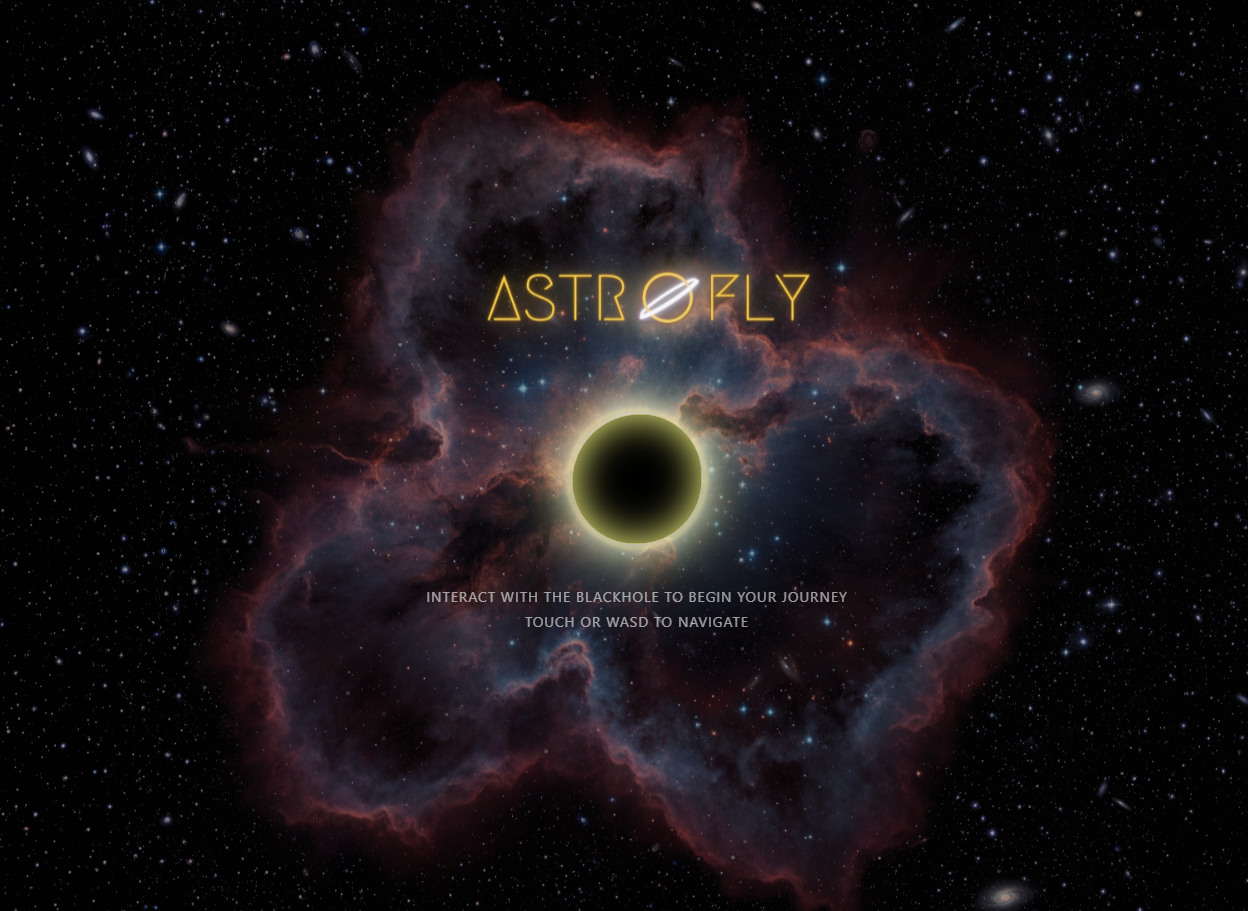
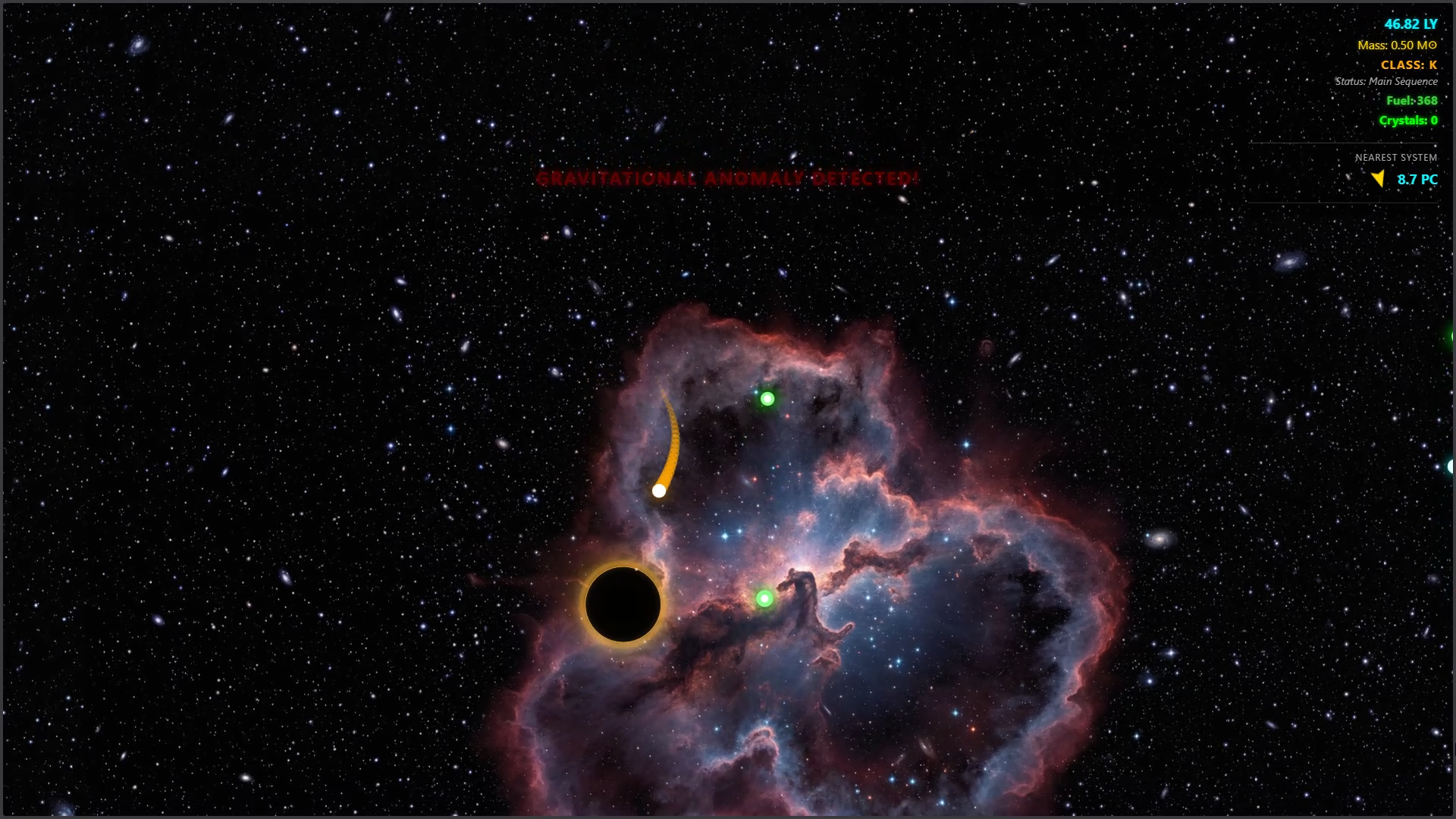
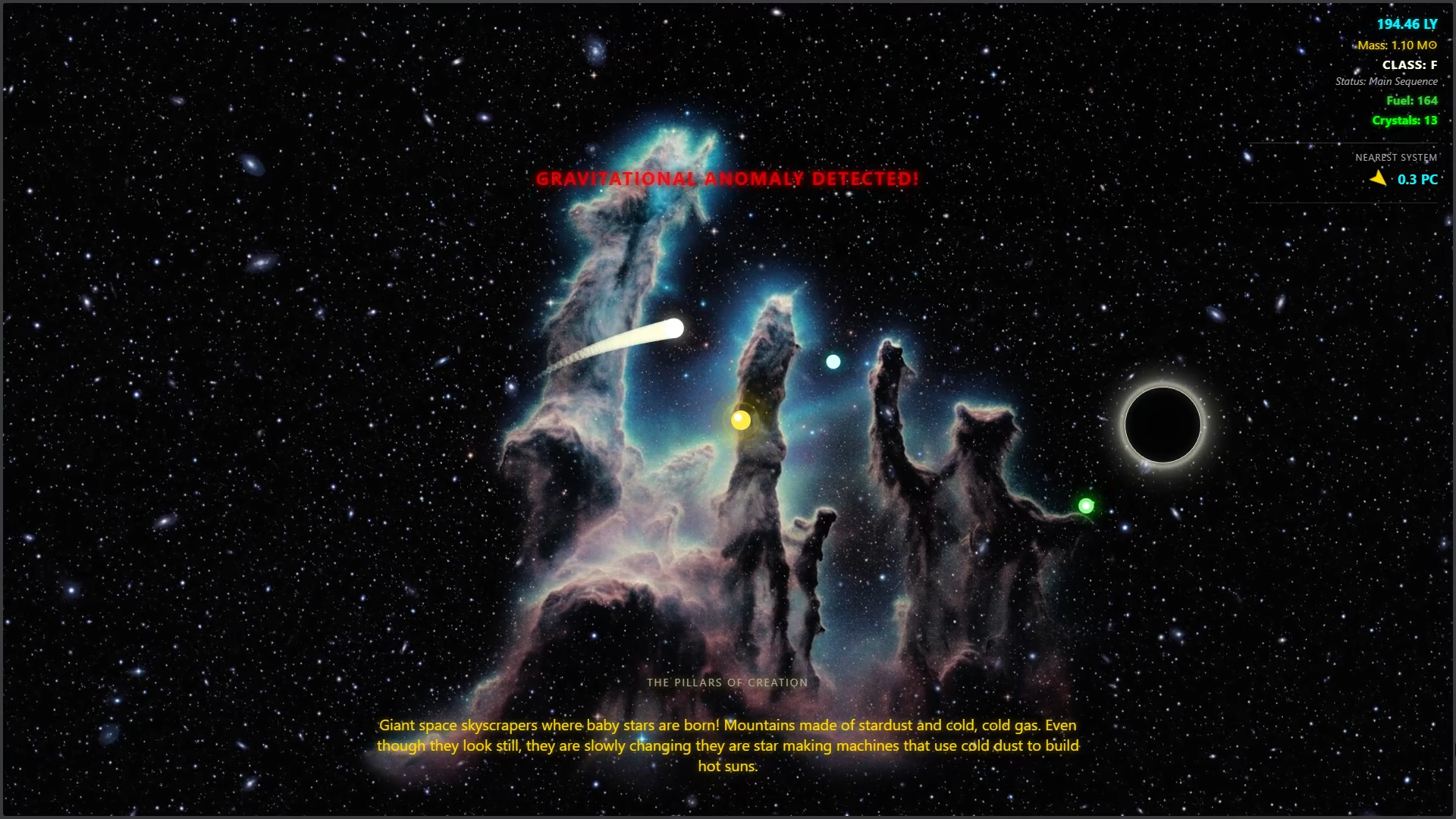
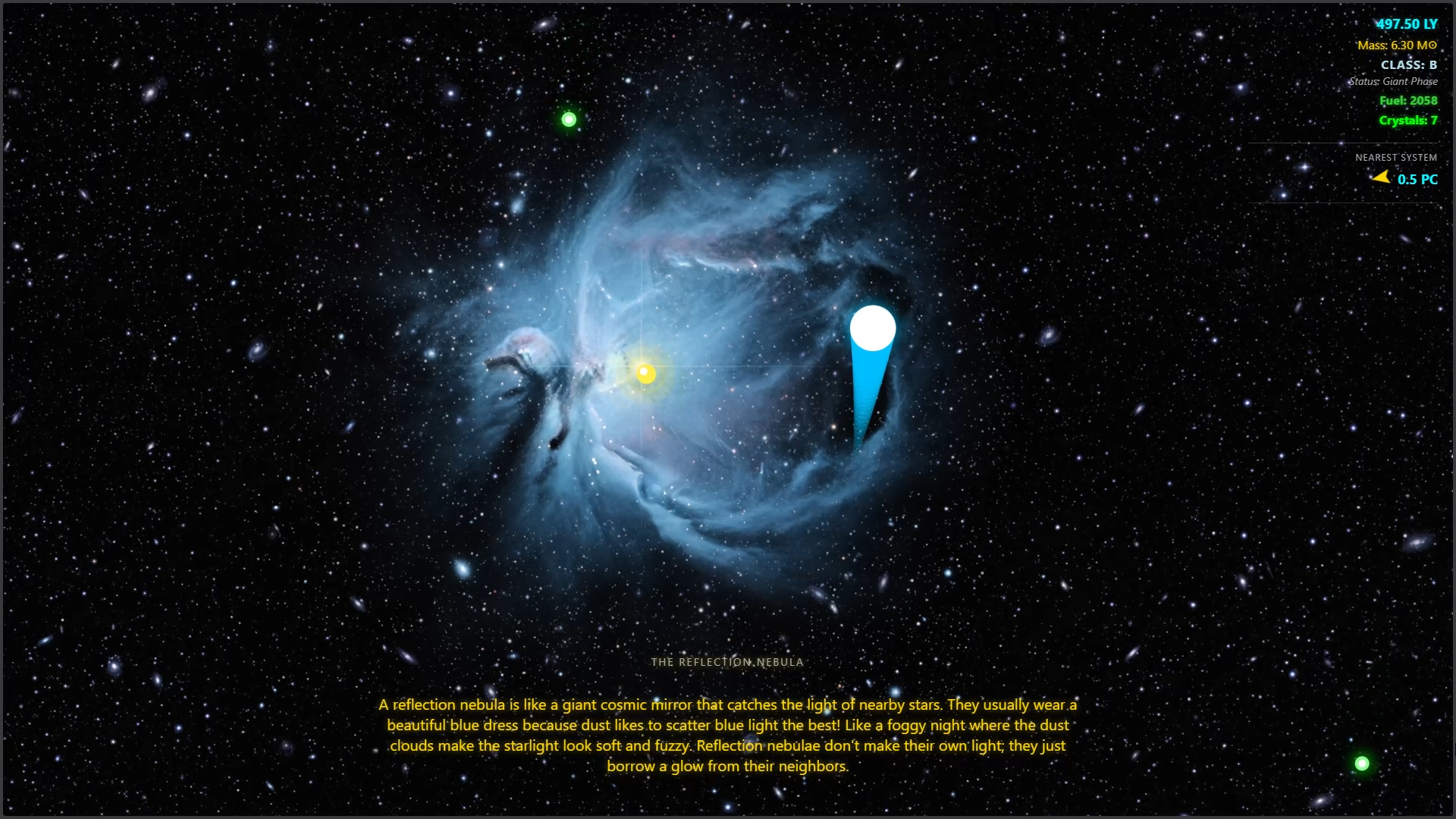
Educational game on the journey and evolution of a star dust into a successful star. During the evolution the star goes through various evolutionary pathways witnessing the celestial events and running away from chasing blackholes, travelling light years across light years trapped in time loop, while listening to the real music of the stars.
At its heart it a simple collection game, good music and visuals.
RESEARCH HUB
Delve into space explorations. From theoretical physics to observational astronomy.
Anahata : The Unheard Resonance
Figure 2.1: Anahata logo
Figure 2.2: Anahata logo created using open source Blender 3D
Abstract Preprint (May 2026)
We present Anahata, an interactive astronomical sonification system deployed as a zero-install Progressive Web App (PWA) that enables users to point a smartphone at the night sky, identify a star, and hear its interior oscillation frequencies rendered as real-time ambient music.
The underlying data pipeline extracts stellar oscillation modes from NASA TESS and
Kepler photometric light curves via an oversampled Lomb–Scargle periodogram with
iterative pre-whitening, drawing on an ESA Gaia DR3 full-sky catalogue of 50,000
naked-eye sources (G < 15 mag) and automated light-curve retrieval
through the lightkurve library with multi-strategy cadence fallback.
The primary user interface, Anahata Sky View, renders a GPS- and compass-aligned star map at 30 fps, optionally composited over the live device camera feed; selecting any star immediately triggers real-time Web Audio API synthesis across seven archetypes Bell, Klank, Ambient, Deepspace, Nova, Universe, and Blackhole whose fundamental frequencies, amplitudes, and stereo positions are driven directly by the extracted asteroseismic data.
A browser-based Stellar Frequency Analyser exposes the full extraction pipeline as a graphical interface, enabling researchers to add new targets to the catalogue without writing code. Anahata demonstrates a practical, low-latency architecture for interactive astronomical sonification deployable at web scale on commodity mobile and desktop hardware without dedicated software installation.
Keywords: stellar oscillation · sonification · asteroseismology · TESS · Gaia DR3 · Web Audio API · Lomb–Scargle · progressive web application
CMAP: Cluster Membership Analysis Program
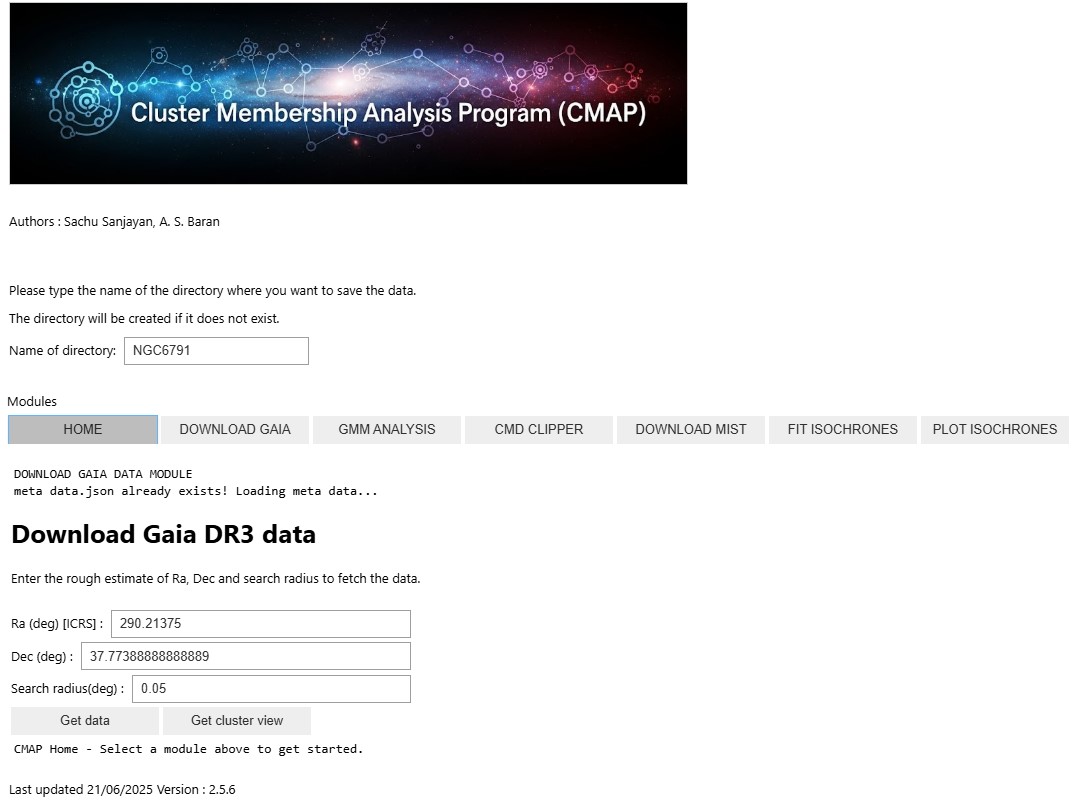
Figure 1.1: CMAP Module User Interface
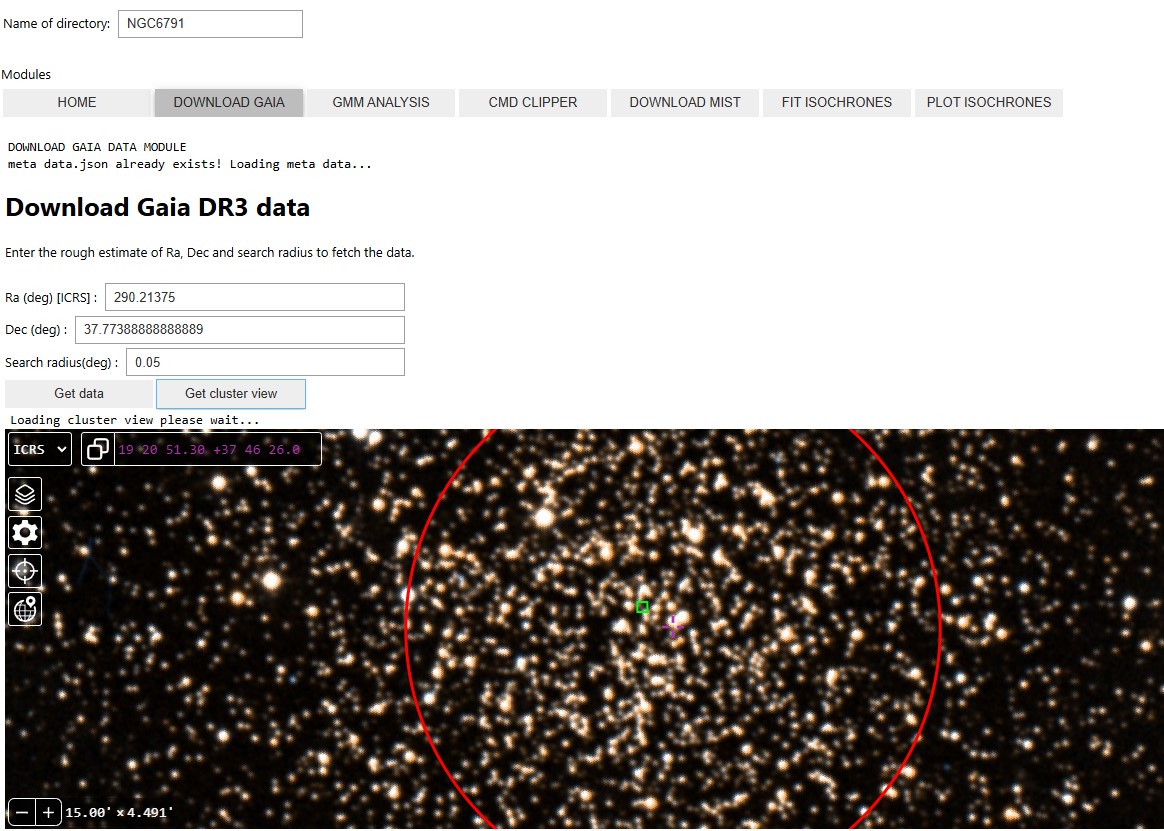
Figure 1.2:
This project introduces CMAP, a powerful new tool designed to discover and analyze open star clusters within the Milky Way's most crowded stellar regions. Utilizing data from the Gaia mission, CMAP employs cutting-edge machine learning and statistical modeling to accurately identify individual cluster members, even in dense star fields where traditional methods struggle. CMAP connects directly to the Gaia database, enabling it to extract potential cluster members within a specified search radius. At its core, CMAP leverages advanced Gaussian Mixture Models (GMMs) combined with Bayesian inference and a Dirichlet process prior. This sophisticated approach ensures robust determination of key clustering parameters, leading to highly reliable member identification. Our tool can analyze cluster memberships in both 5-parameter astrometric space (right ascension, declination, proper motions in RA and Dec, and parallax) and 6-parameter space by incorporating Gaia DR3's precise radial velocity measurements. CMAP also handles the estimation of a cluster's astrometric parameters and its distance based on the most probable members. Furthermore, CMAP features an integrated isochrone module that connects with the MESA Isochrones and Stellar Tracks(MIST) library. This allows for efficient isochrone fitting using the identified cluster members, providing crucial estimates for a cluster's age and distance. The fitting module is parallelized for rapid and reliable computations. We are rigorously testing CMAP's effectiveness across a wide range of open clusters, including those nestled in dense fields and those far above the galactic disk. The distance estimates derived from our isochrone models will be carefully benchmarked against those obtained from member parallax measurements. We are confident that CMAP will revolutionize our ability to explore Gaia data, helping us discover old, distant, and previously hidden open clusters throughout our galaxy.
Legolas: Advanced Eclipse Timing Analysis for Binary Star Research
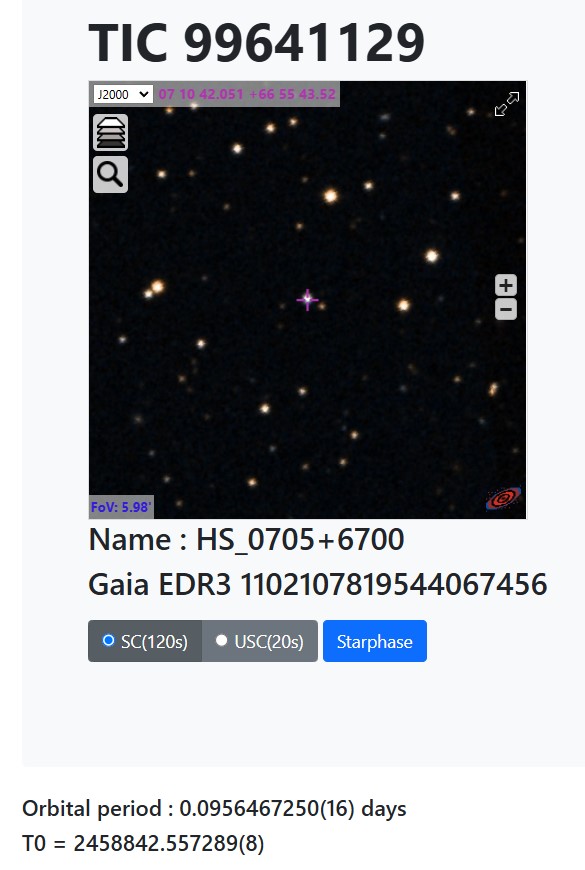
Figure 3.1: Derived ephomerides from TESS Observation of an HW Vir
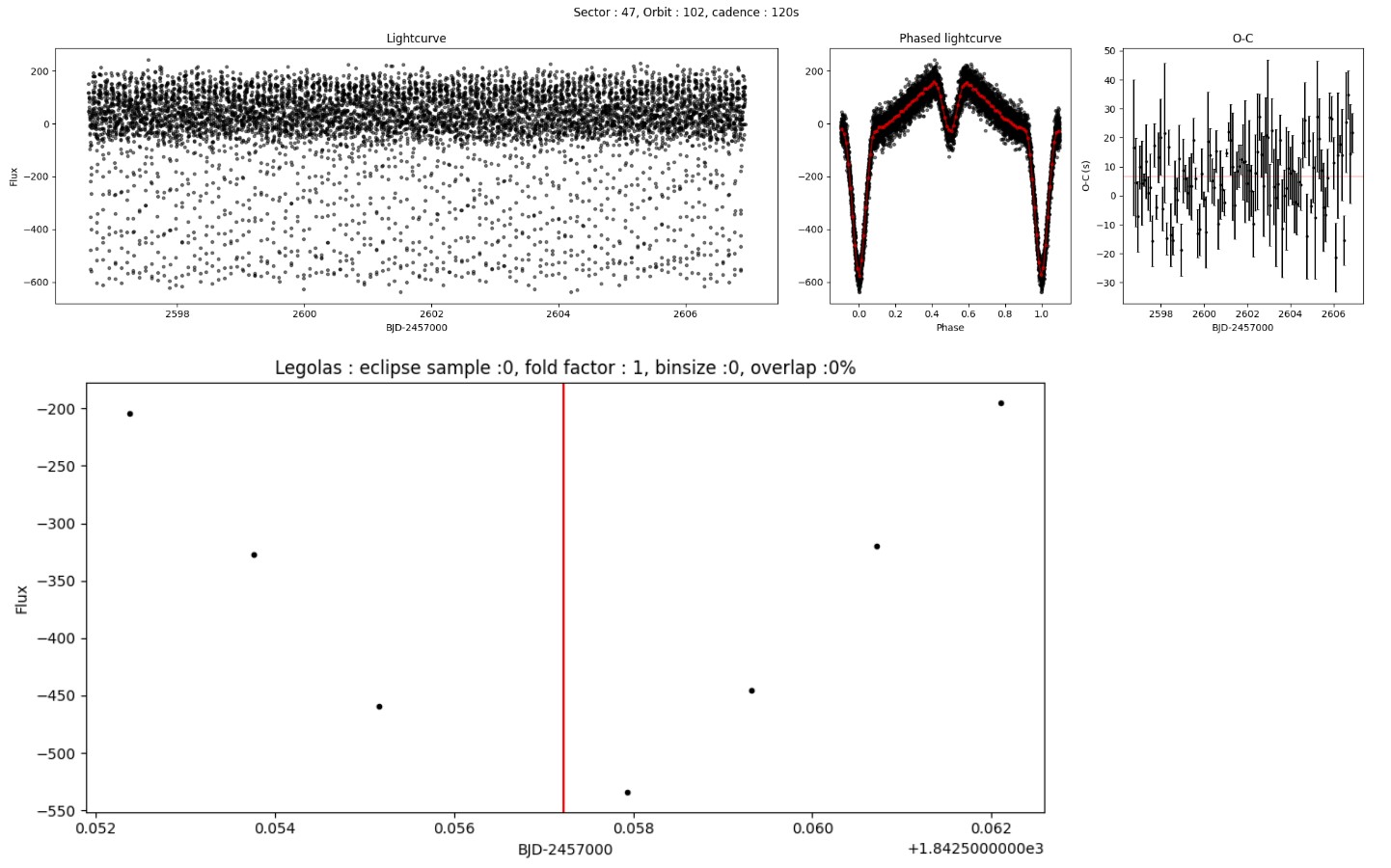
Figure 3.2: Eclipse timeing calculation
Legolas is our powerful tool for the precise analysis of eclipse timings in binary star systems. It is specifically developed for the astronomical community working with: Eclipsing binaries of all types. Hot binaries, where precise timing is often critical for understanding their evolution and properties. Researchers analyzing data from space missions like TESS and Kepler, which provide vast amounts of photometric data ideal for eclipse timing. Ground-based observers who require exceptionally precise primary and secondary eclipse timings for follow-up observations and accurate ephemeris generation. Scientists engaged in binary modeling, who need robust and accurate eclipse parameters to constrain their theoretical models. Legolas automates the detection of eclipses using sophisticated deterministic algorithms, meticulously optimizing clipped events to ensure accuracy. Once identified, each eclipse is fitted with a hyperbolic model to precisely estimate its mid-point, from which we derive highly accurate ephemerides. These refined parameters are crucial for successfully observing companion objects and understanding the complex dynamics of various eclipsing binaries. Legolas also leverages O-C (Observed minus Calculated) analysis, which is vital for detecting subtle variations in eclipse timings. These variations can point to extrinsic origins, such as the gravitational influence of unseen tertiary companions or other astrophysical phenomena. The tool is designed to extract and analyze both primary and secondary eclipses, if present, and calculates O-C values for both. Additionally, Legolas includes a dedicated module for calculating light-travel time effects (Roemer delay), helping to further unravel the complex orbital mechanics within these systems. With its robust algorithms and comprehensive analysis capabilities, Legolas provides the precision and reliability required by experts in binary star astronomy to advance their research.
Key Research Contributions
Pulsating subdwarf B stars in the oldest open cluster NGC 6791
S. Sanjayan, A. S. Baran, J. Ostrowski, et al.
MNRAS, 2022A variable star population in the open cluster NGC 6791 observed by the Kepler spacecraft
S. Sanjayan, A. S. Baran, K. Kinemuchi, et al.
Acta Astronomica, 2022Variable Star Population in the Open Cluster NGC 6819 Observed by the Kepler Spacecraft
S. Sanjayan, A. S. Baran, P. Németh, et al.
Acta Astronomica, 2022Sounding Interiors of Four Pulsating Subdwarf B Stars with Stellar Pulsations
A. S. Baran, S. Sanjayan
Acta Astronomica, 2023Variable Blue Straggler Stars in Open Cluster NGC 6819 Observed in the Kepler 'Superstamp' Field
Joyce Ann Guzik, A. S. Baran, S. Sanjayan, et al.
The Astronomical Journal, 2022A search for variable subdwarf B stars in TESS Full Frame Images II.
A. S. Baran, S. K. Sahoo, S. Sanjayan, et al.
MNRAS, 2021Evolutionary modelling of subdwarf B stars using MESA
J. Ostrowski, A. S. Baran, S. Sanjayan, et al.
MNRAS, 2021A search for variable subdwarf B stars in TESS full frame images - I.
S. K. Sahoo, A. S. Baran, S. Sanjayan, et al.
MNRAS, 2020Space observations of AA Doradus provide consistent mass determinations
A. S. Baran, R. H. Østensen, U. Heber, et al.
MNRAS, 2021Mode identification in three pulsating hot subdwarfs observed with TESS
S. K. Sahoo, A. S. Baran, U. Heber, et al.
MNRAS, 2020Pulsating subdwarf B stars observed with K2 during Campaign 7
M. D. Reed, A. Slayton, A. S. Baran, et al.
MNRAS, 2021PRODUCTS
Explore a selection of our creations, from engaging software tools to unique digital experiences. Each product is crafted with innovation and designed to inspire.
Astrofly: Journey of a Star Dust
Educational space adventure where a tiny stardust evolves through cosmic stages while avoiding black holes and time loops.
Play Now →
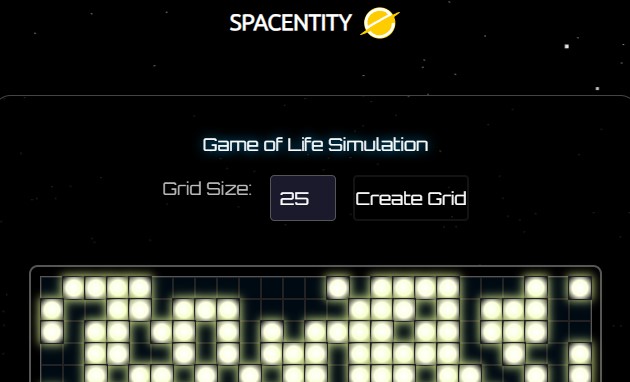
Game of Life Simulations
Explore the wonders of cellular automata with our interactive Game of Life simulator. Create, modify, and observe complex patterns emerging from simple rules.
Learn More →
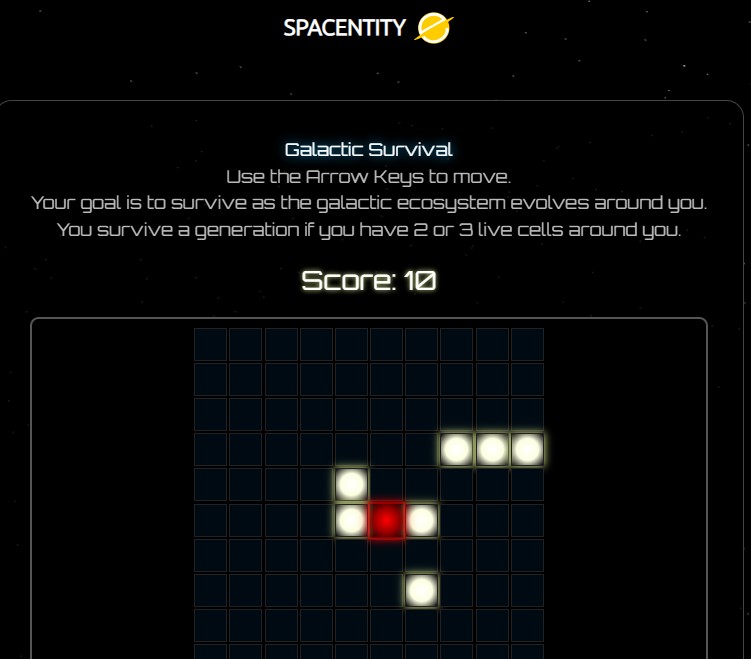
Game of Life Survival
A survival game where you navigate through a grid of chaos. Use the Arrow Keys to move.
Your goal is to survive as the galactic ecosystem evolves around you. You survive a generation if you have 2 or 3 live cells around you. Test your skills in this thrilling adventure.
Learn More →
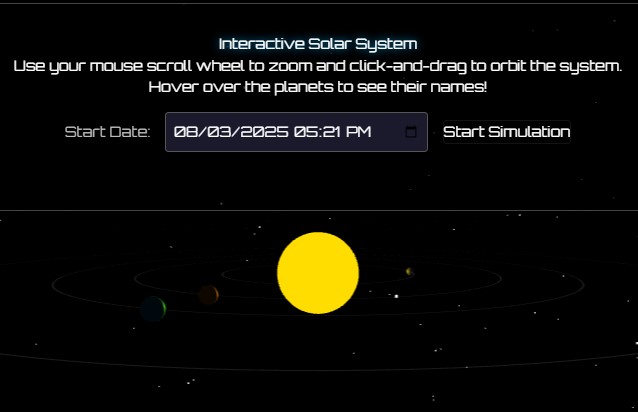
Real time Solar System Map
A real-time 3D map of our solar system, showcasing the positions and movements of planets, moons, and other celestial bodies. Explore the cosmos from your browser.
Learn More →
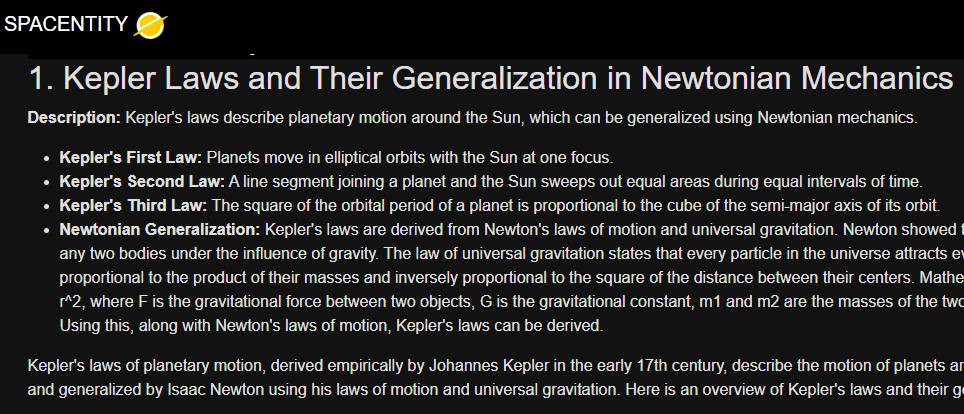
Astronotes for dummies
It contains a collection of notes and resources designed to help beginners understand the basics of astronomy. From celestial mechanics to observational techniques. These are the notes i prepared during my time at th ePhD school covering various fundamental topics in astronomy and astrophysics. I hope it would help you to get started with your journey in astronomy.
Learn More →
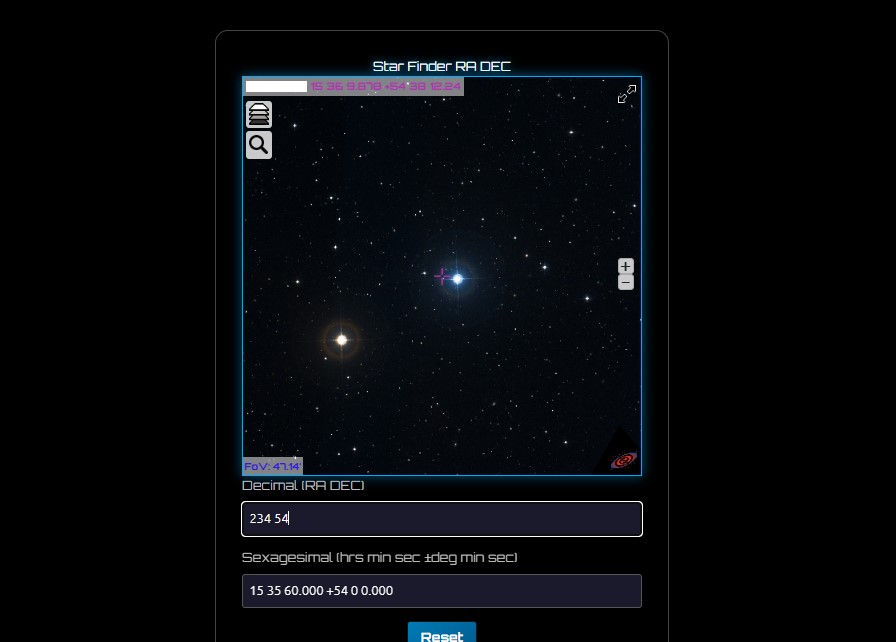
Star Finder App
Simple and intuitive app to help you find stars and constellations using the coordinates of the stars. It provides a user-friendly interface to input star coordinates and visualize their positions in the milkyway using Aladin API
Learn More →
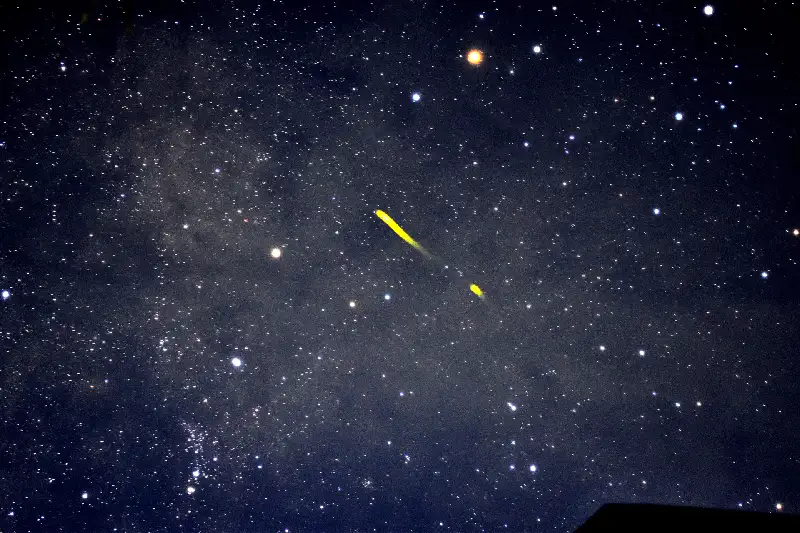
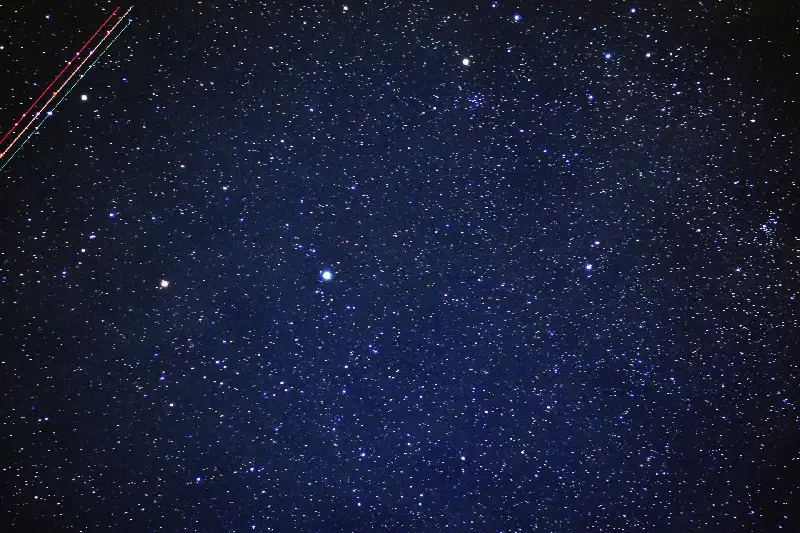
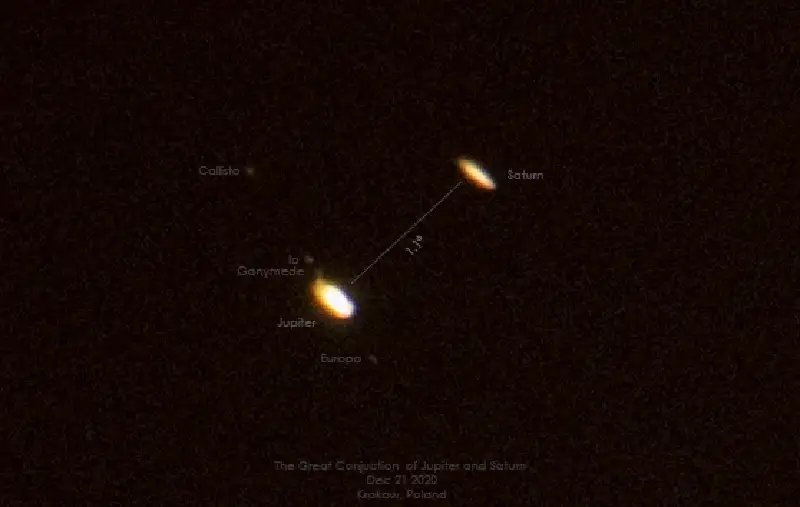
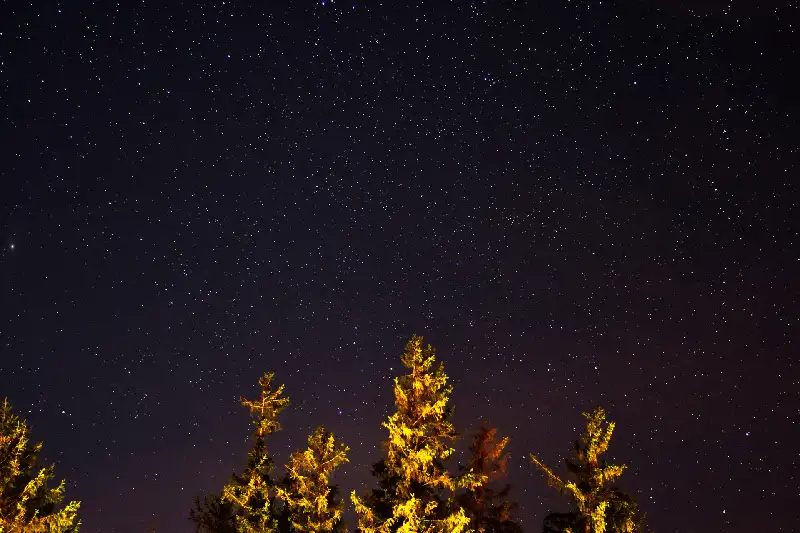
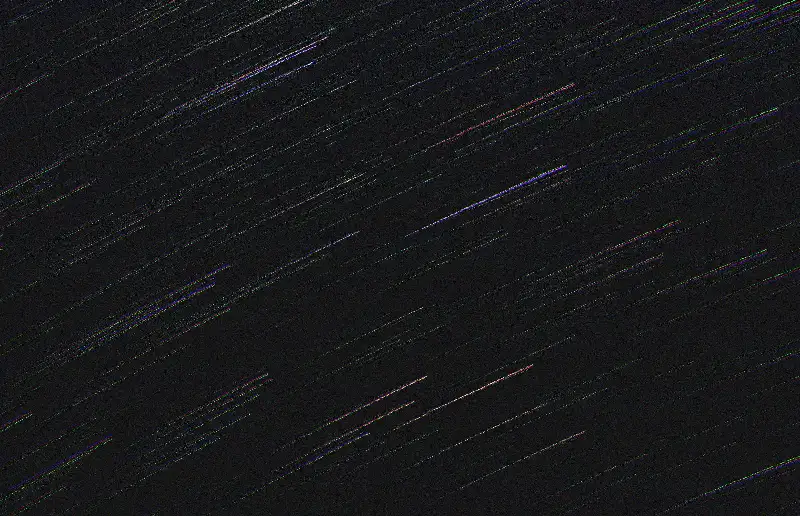
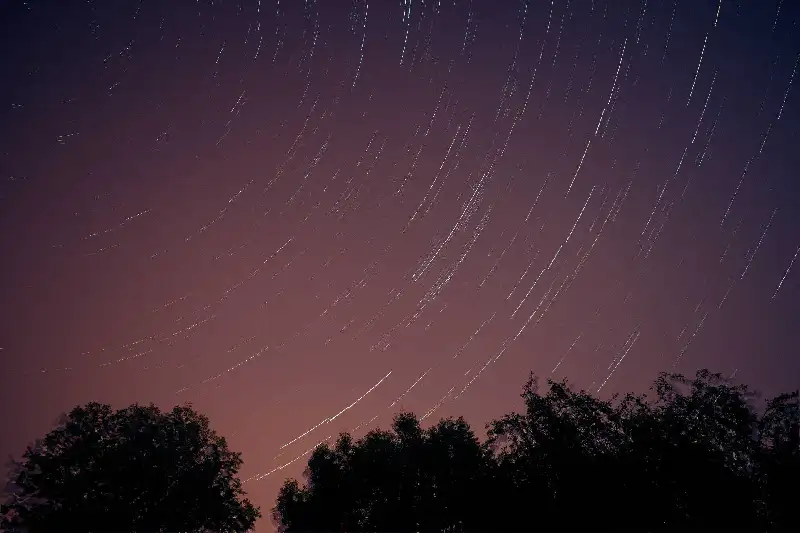
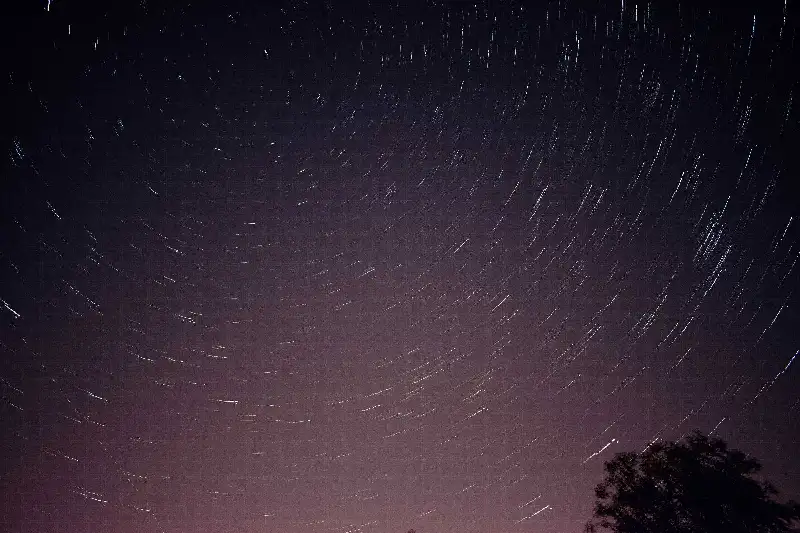
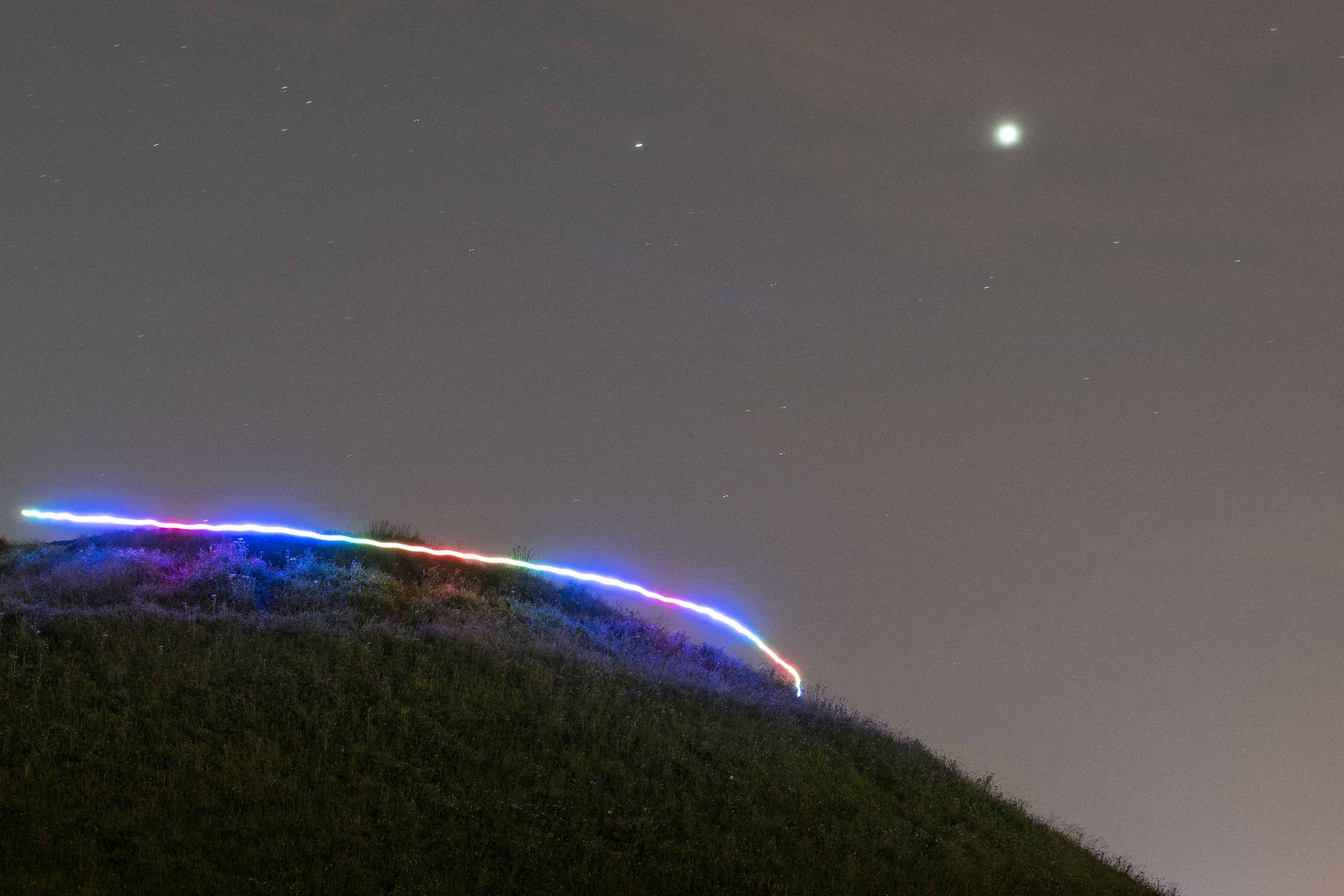
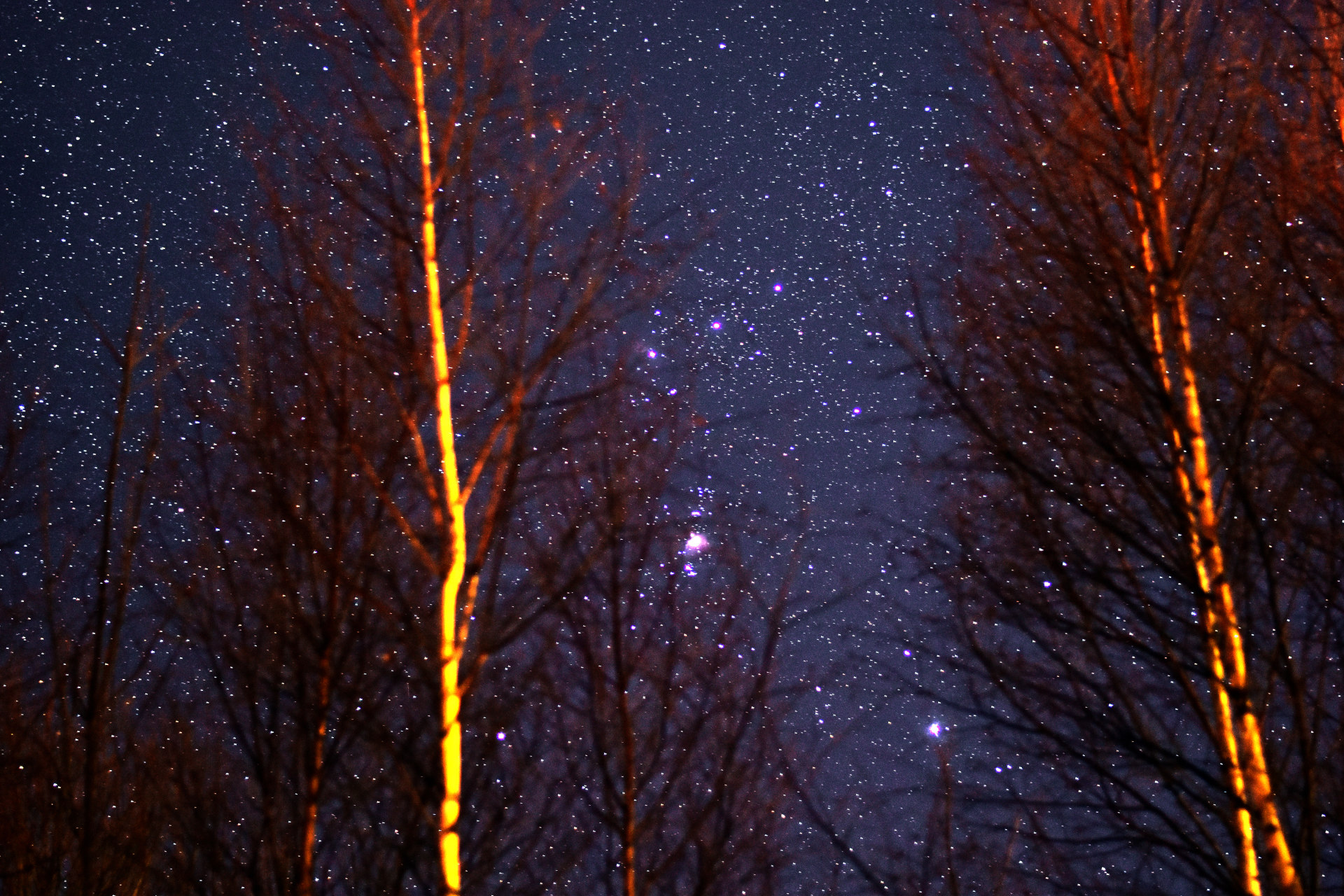
CAPTURING THE UNIVERSE
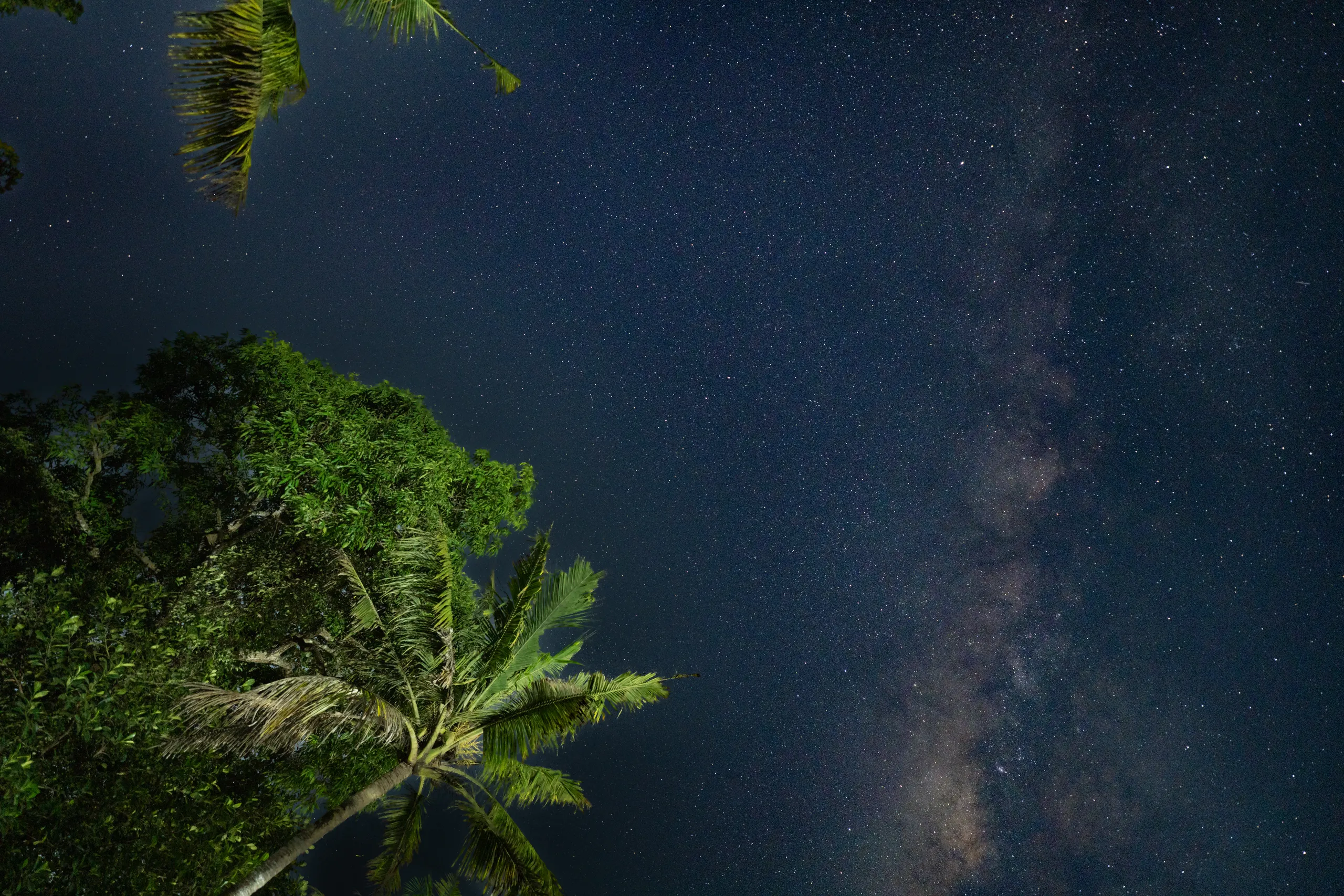
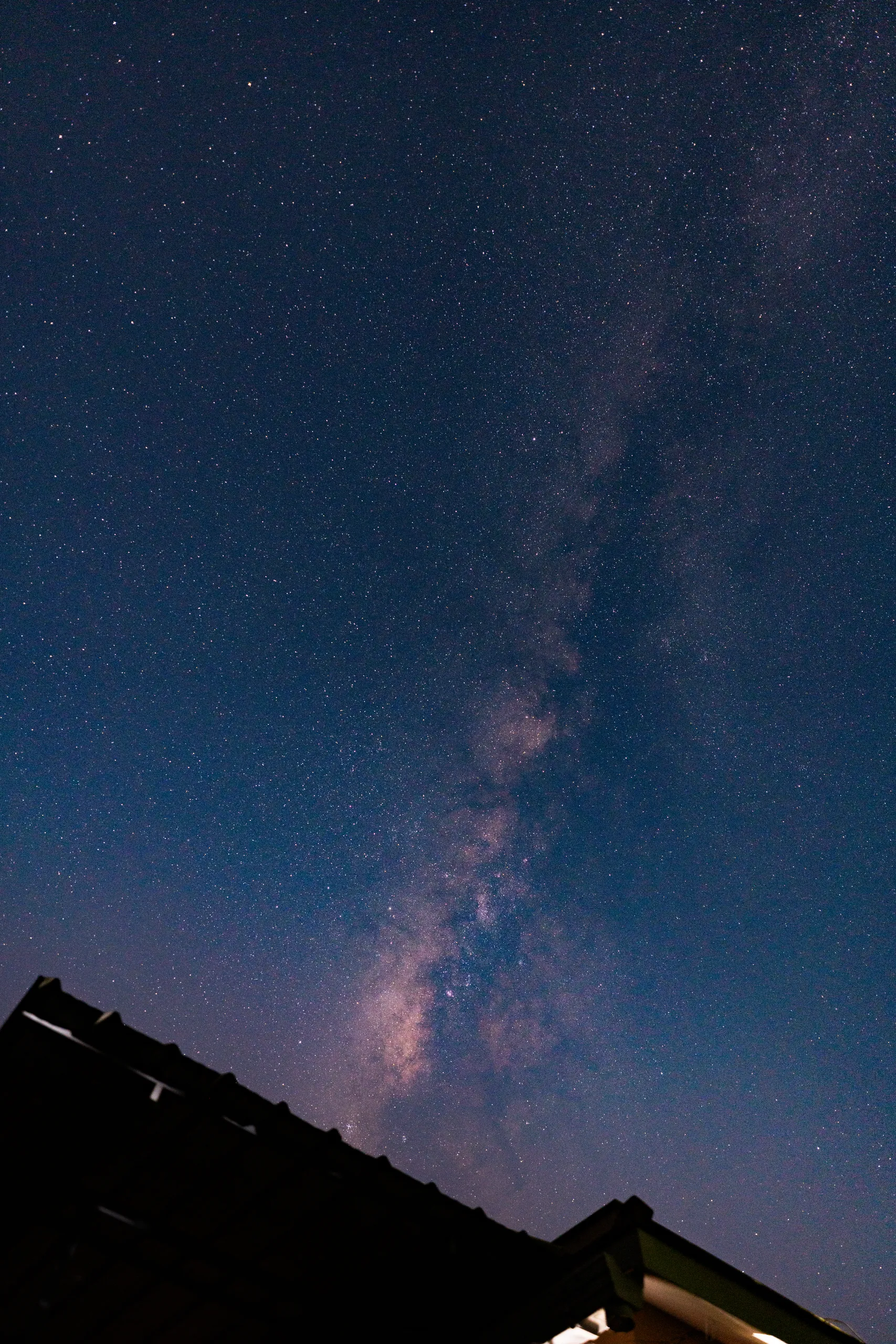
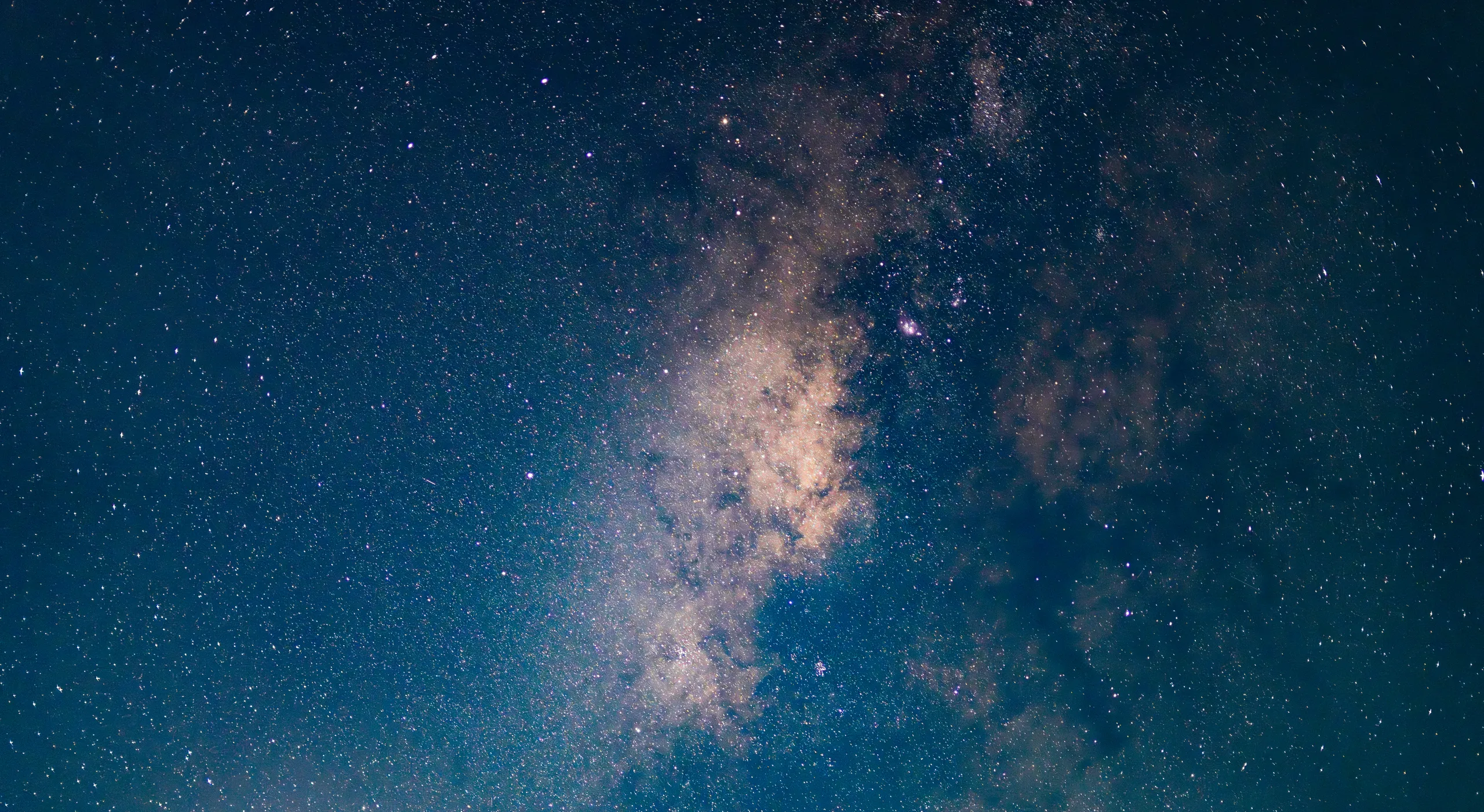
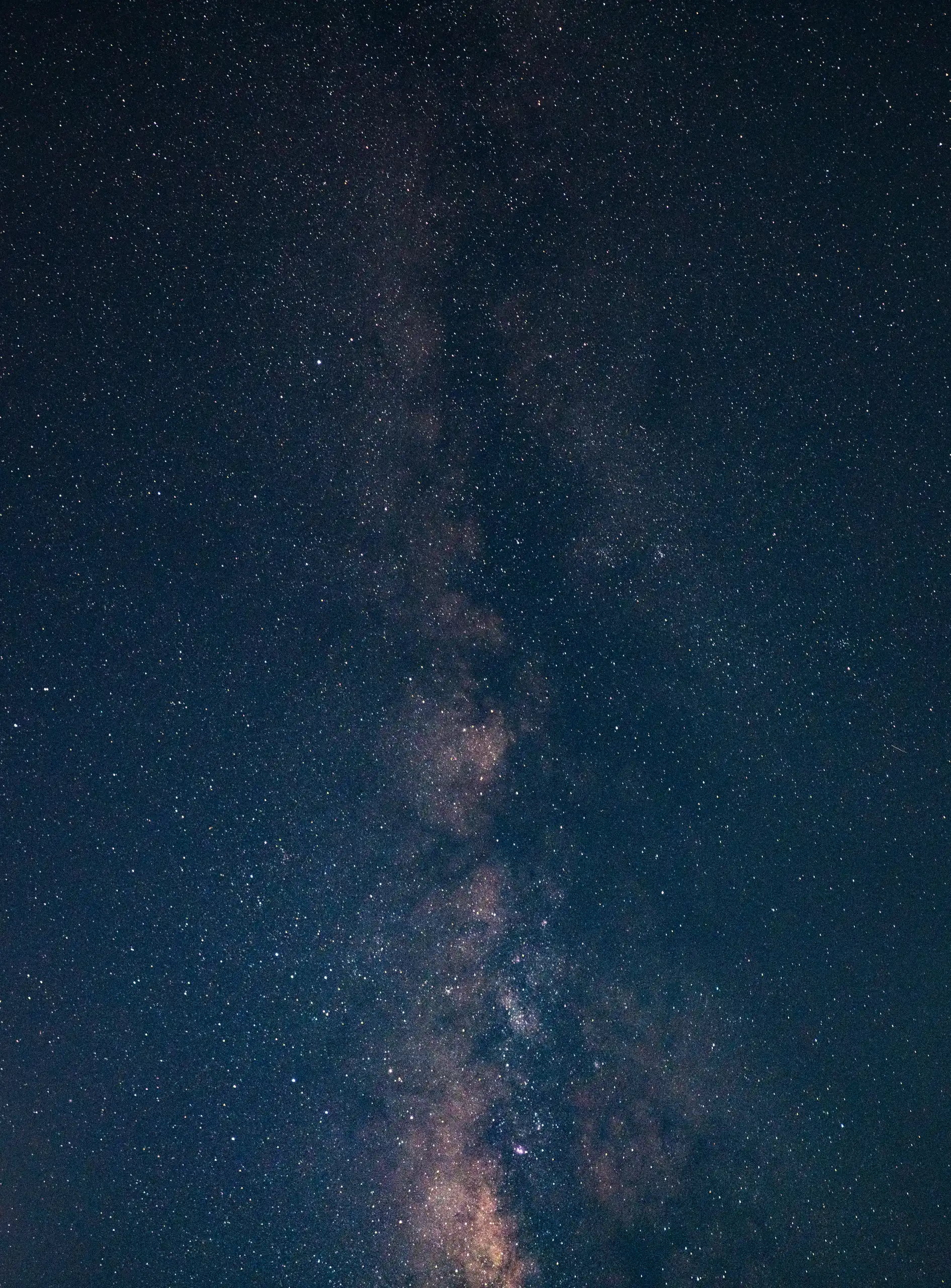

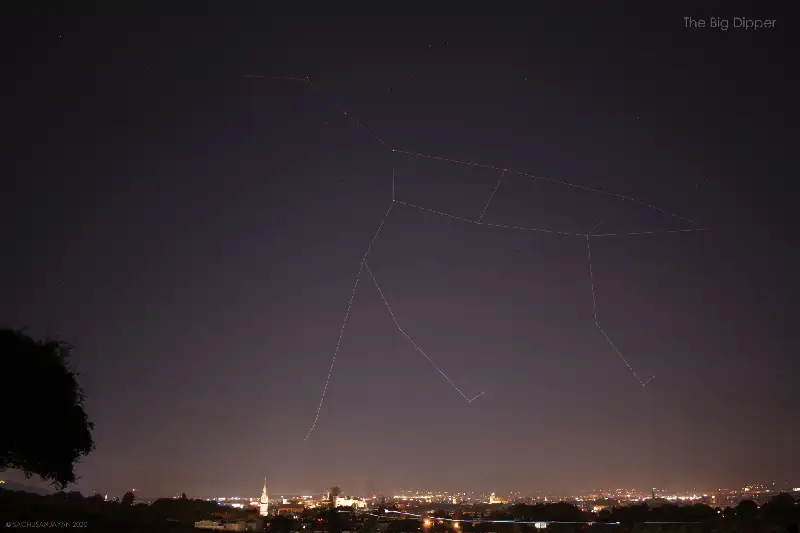
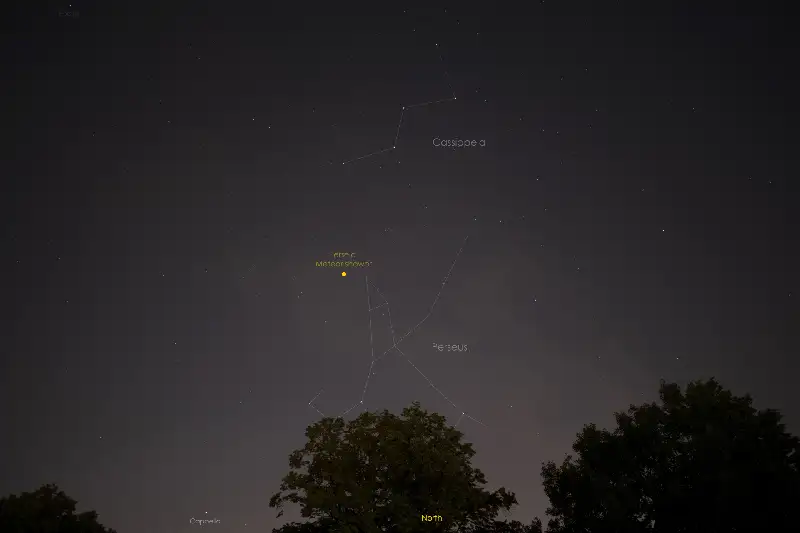
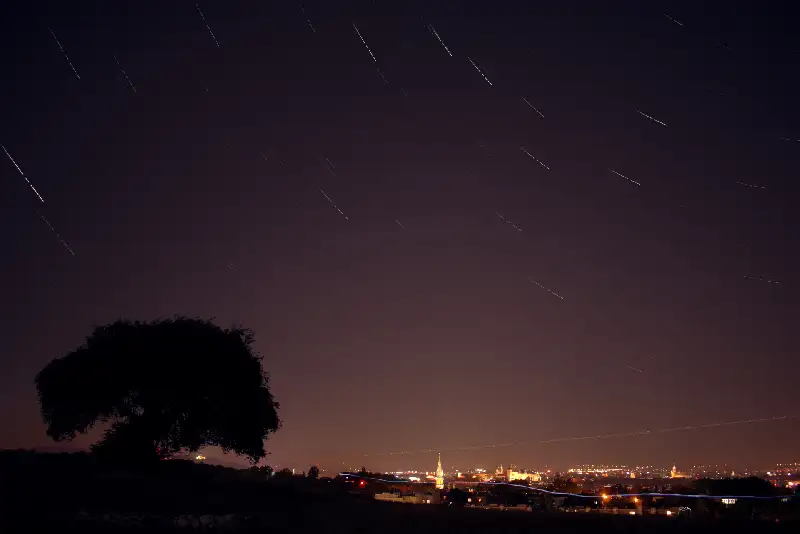
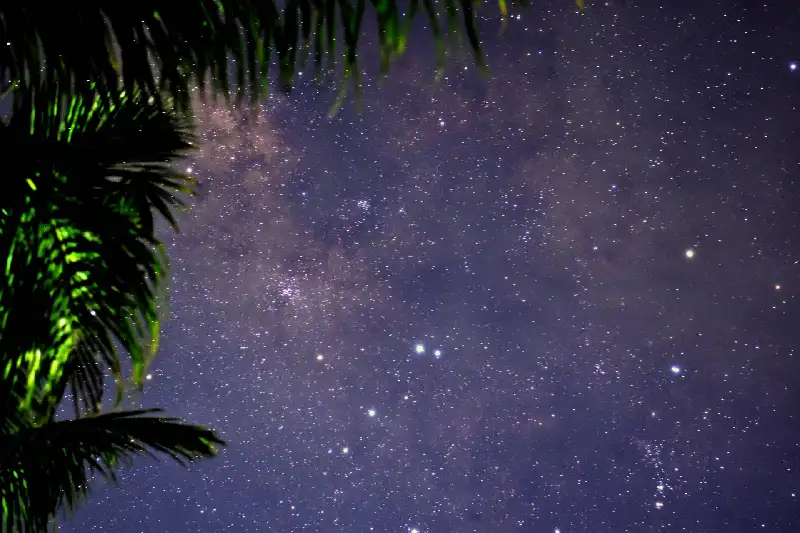
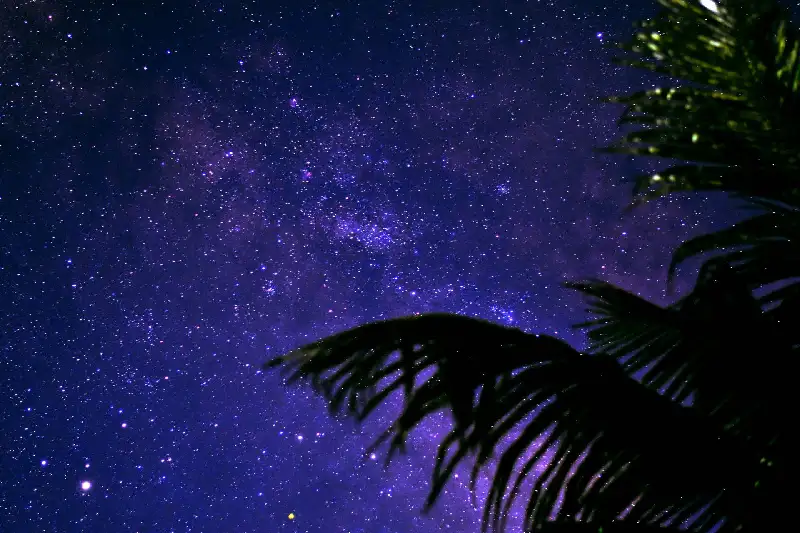
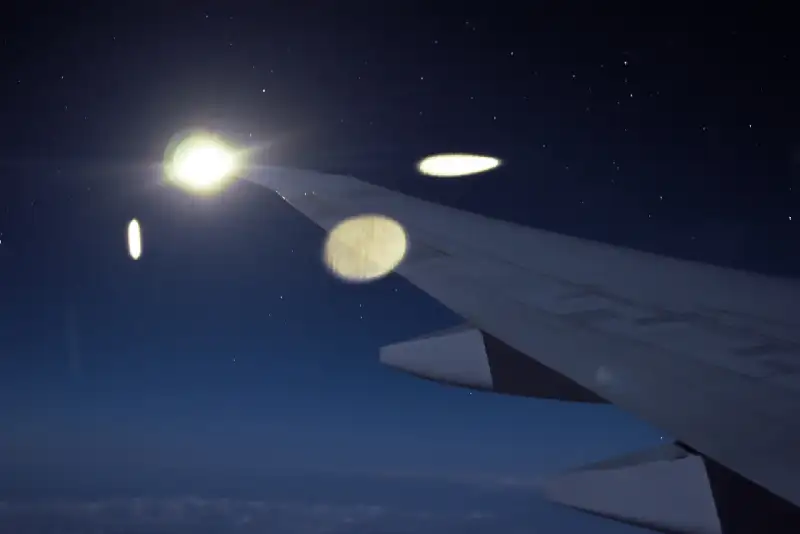
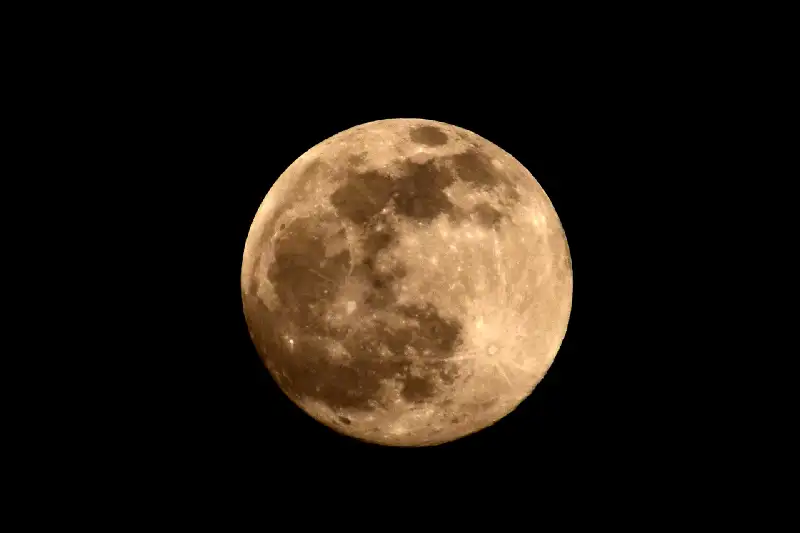
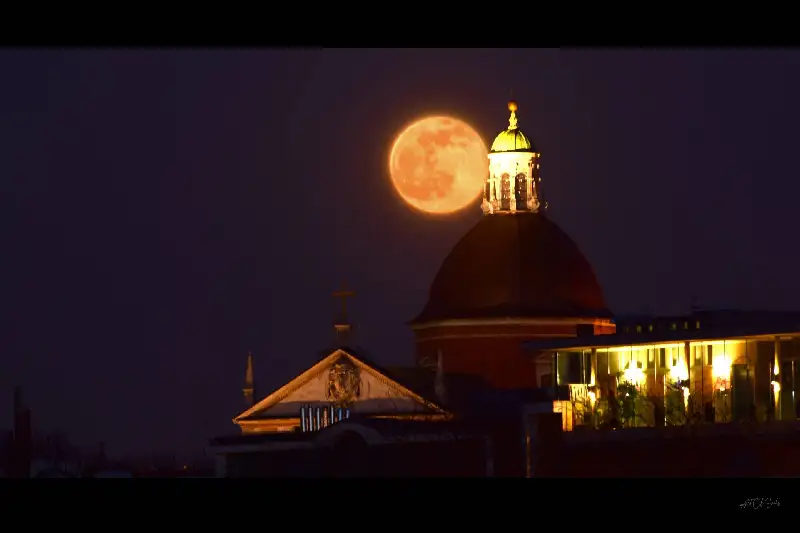
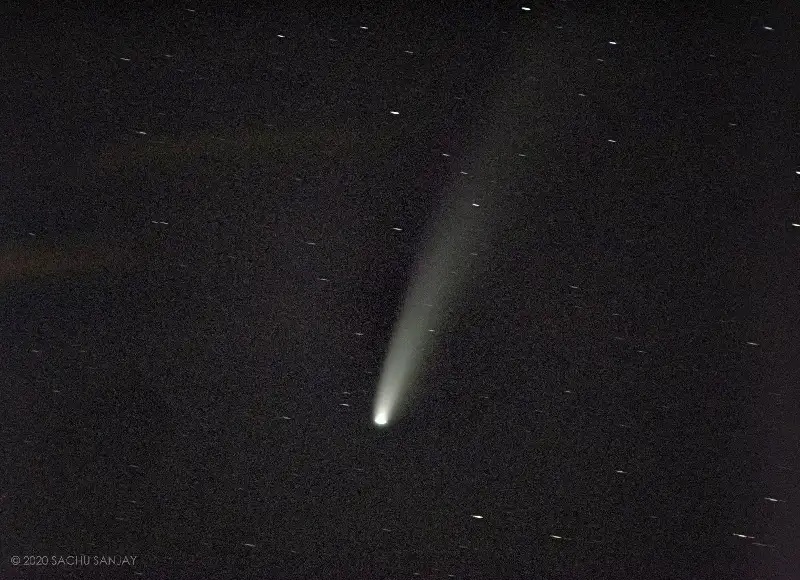
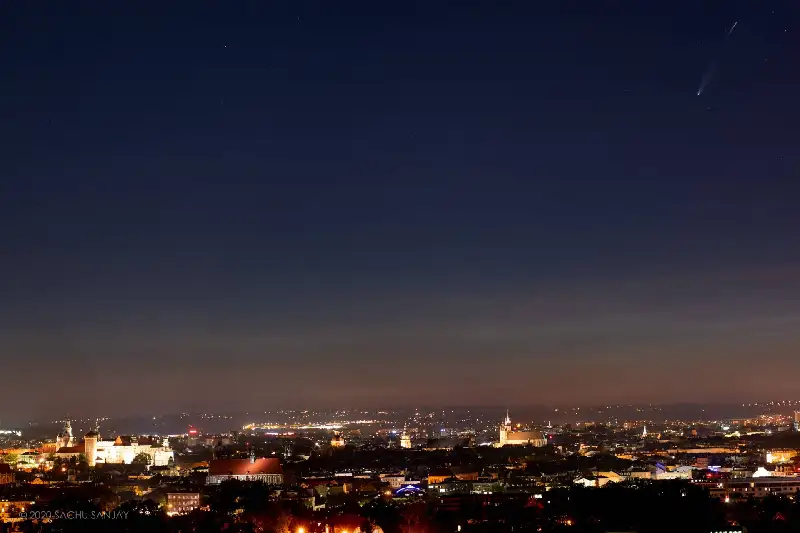
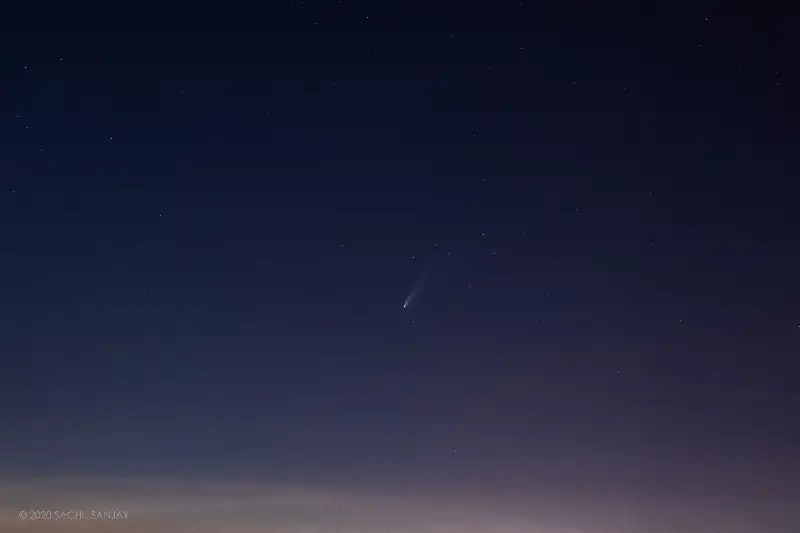
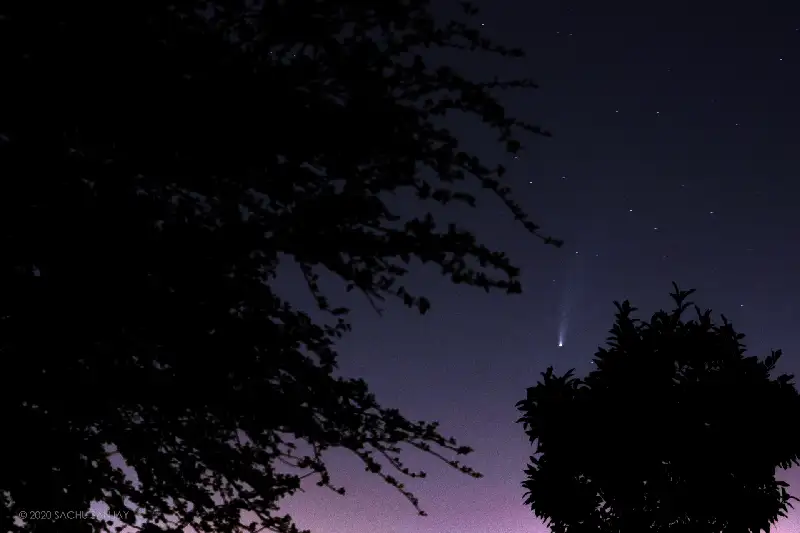
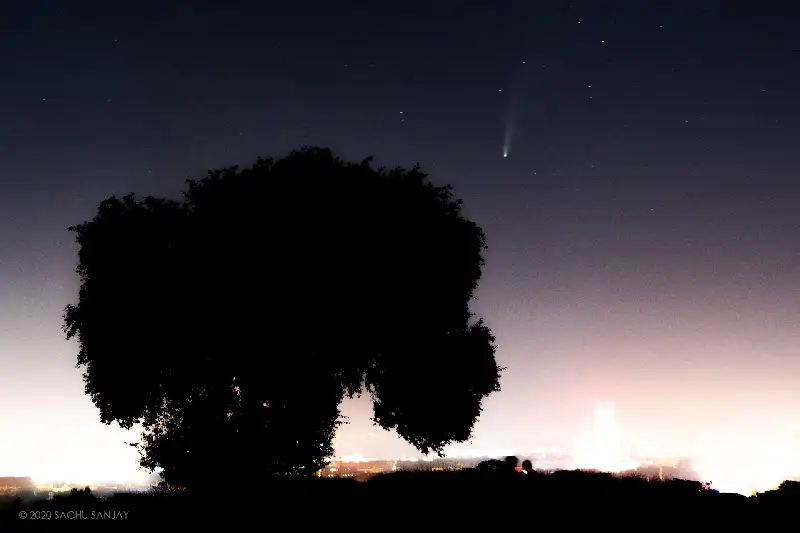


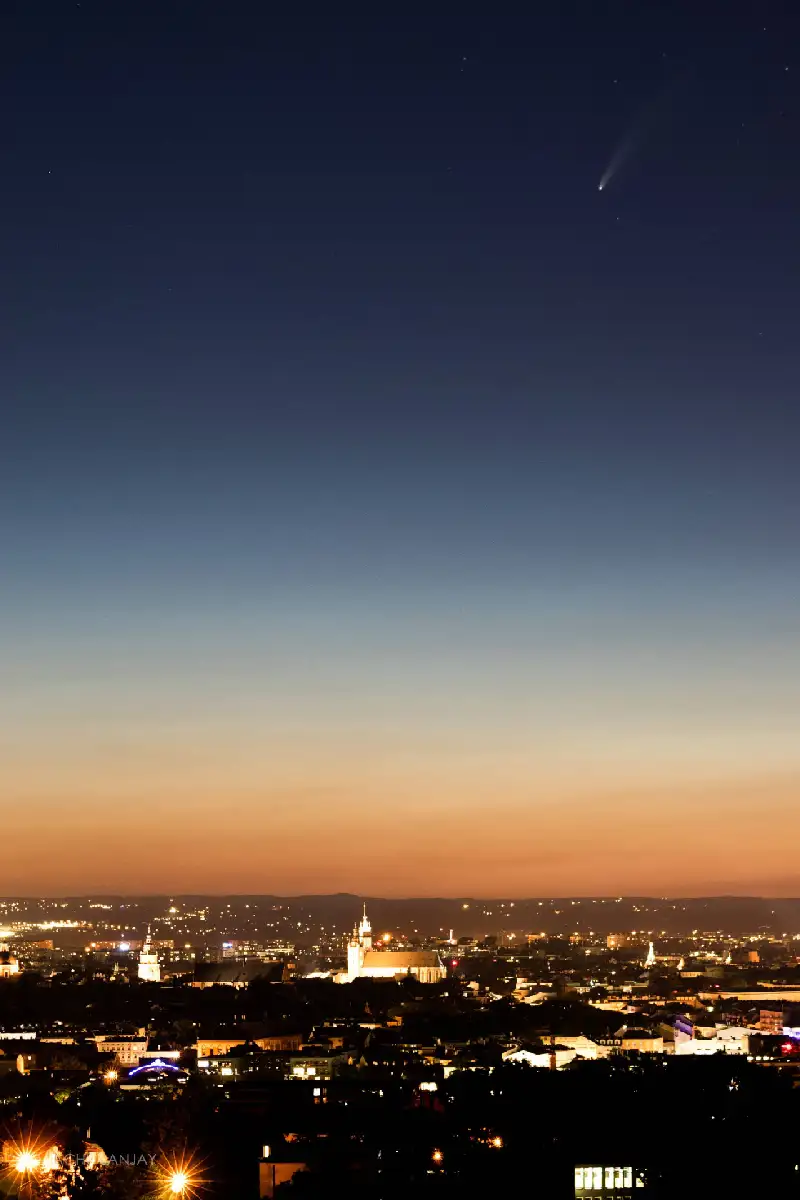
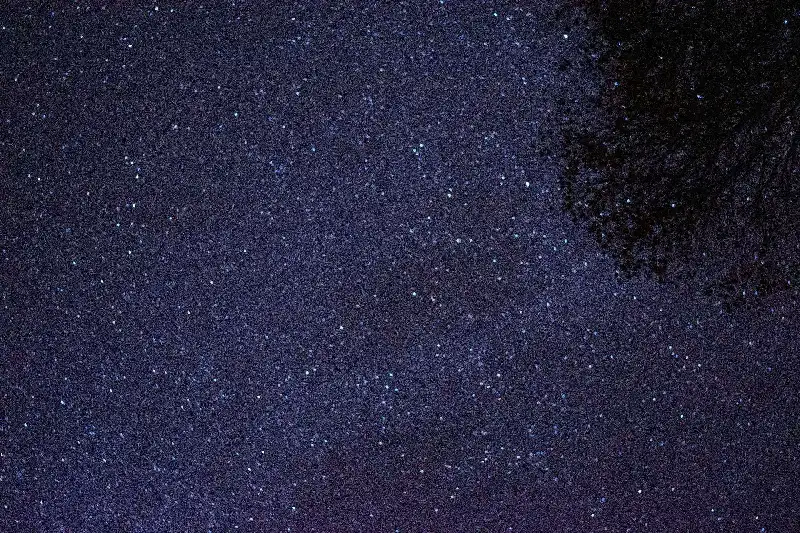
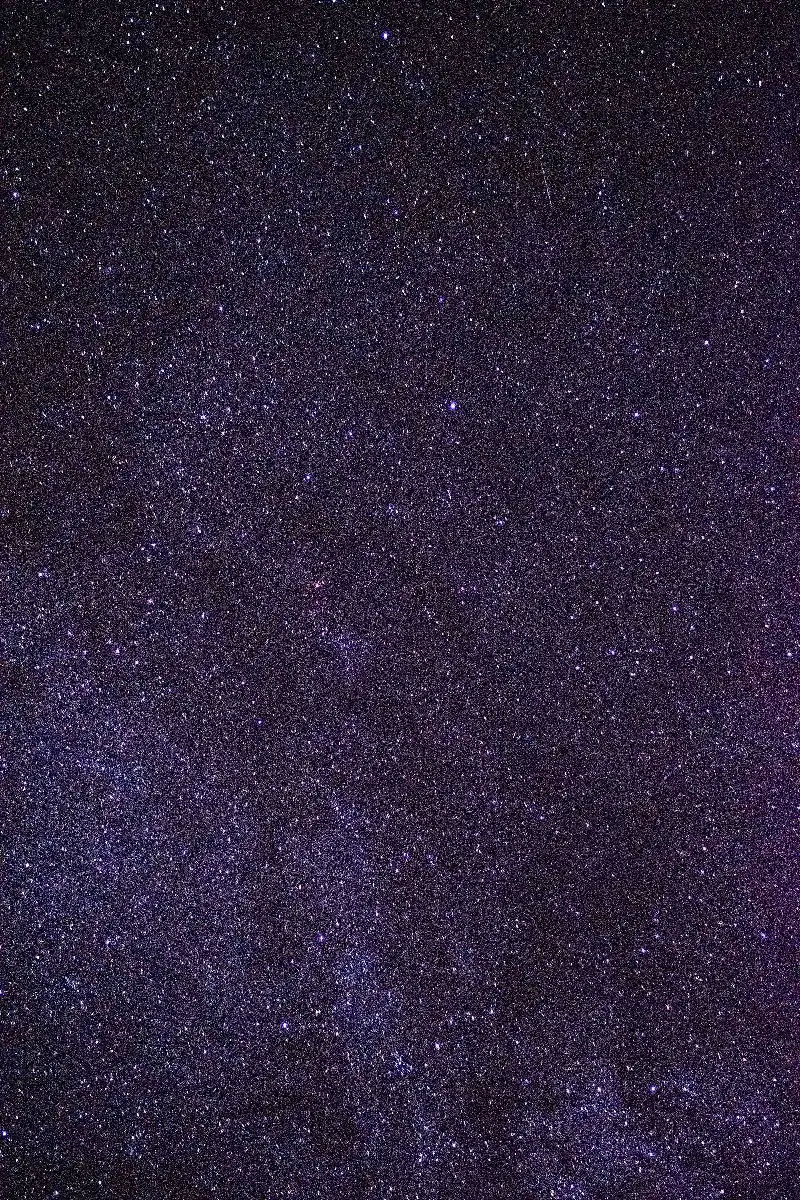
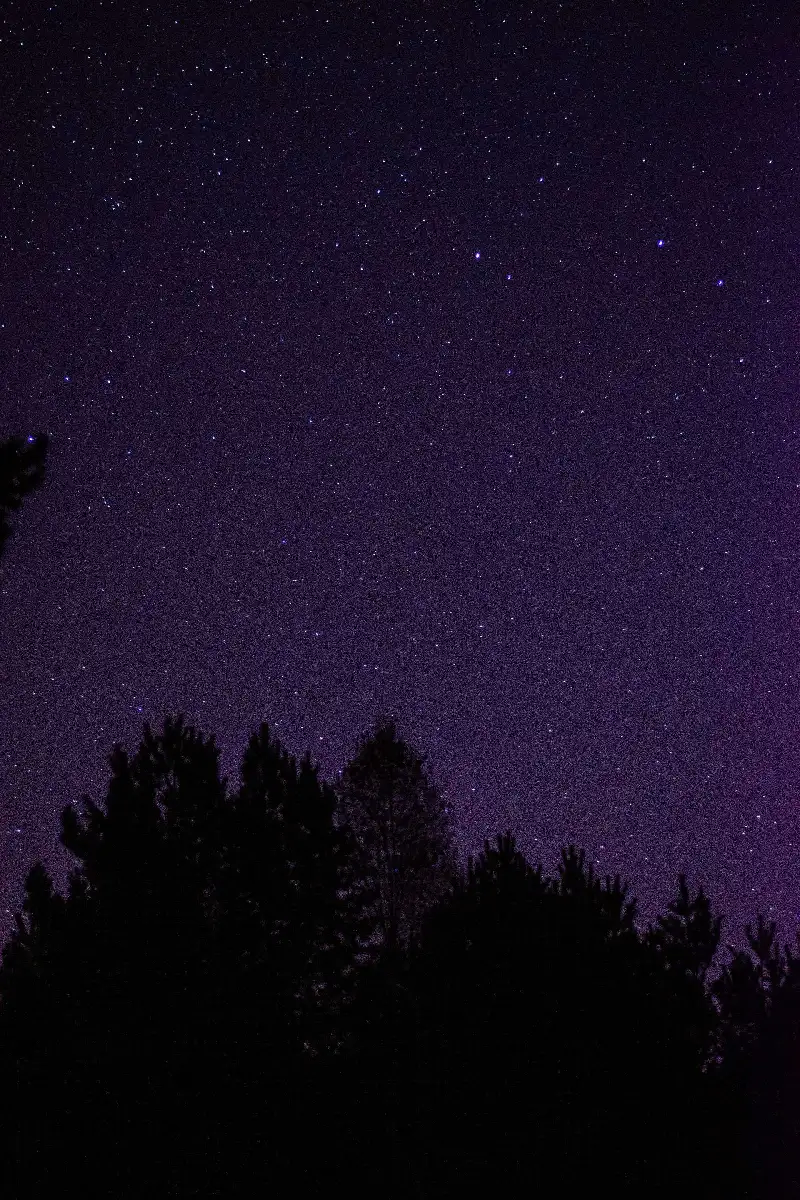
Find more at

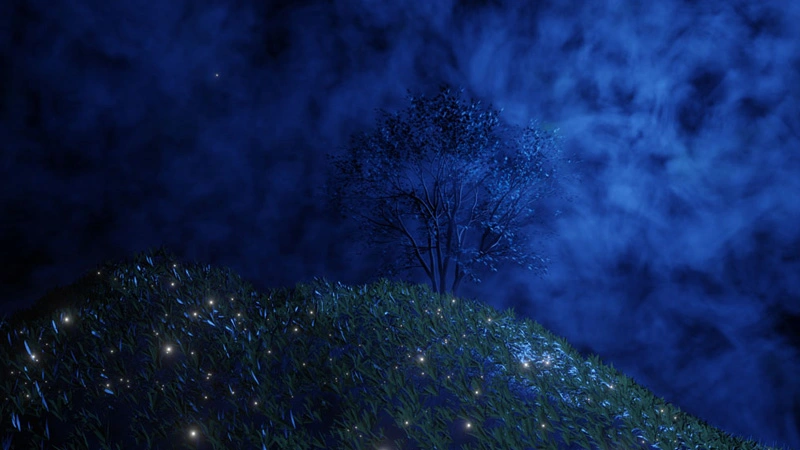
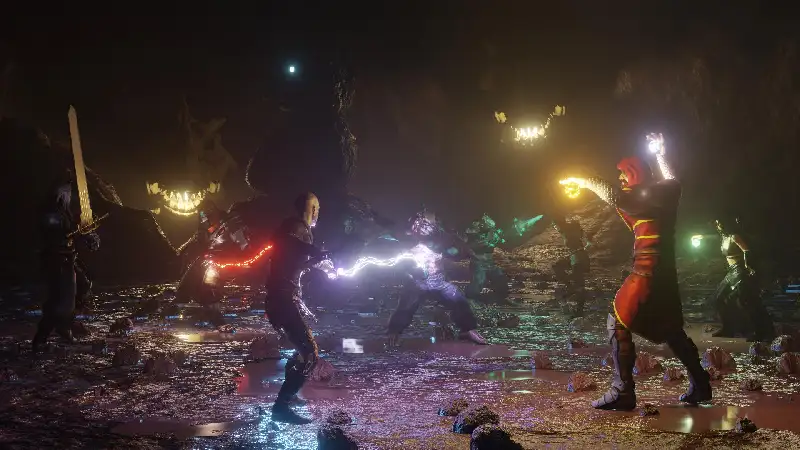
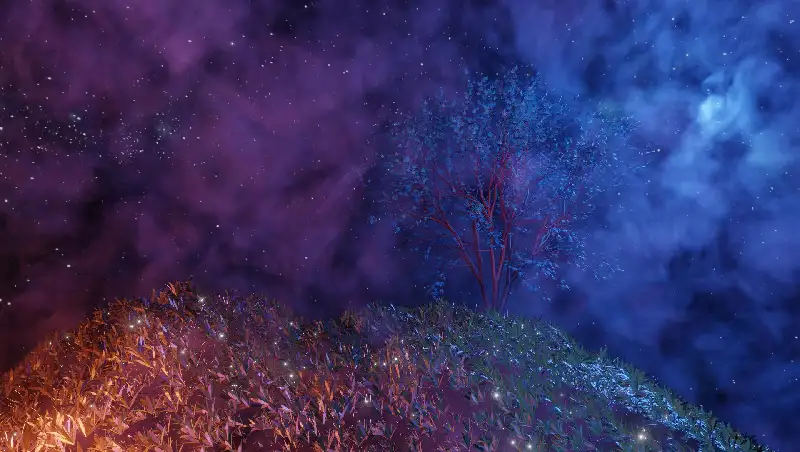
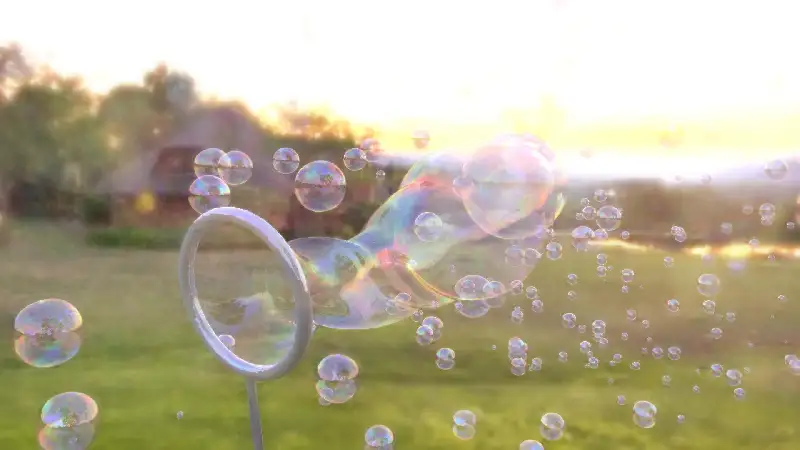
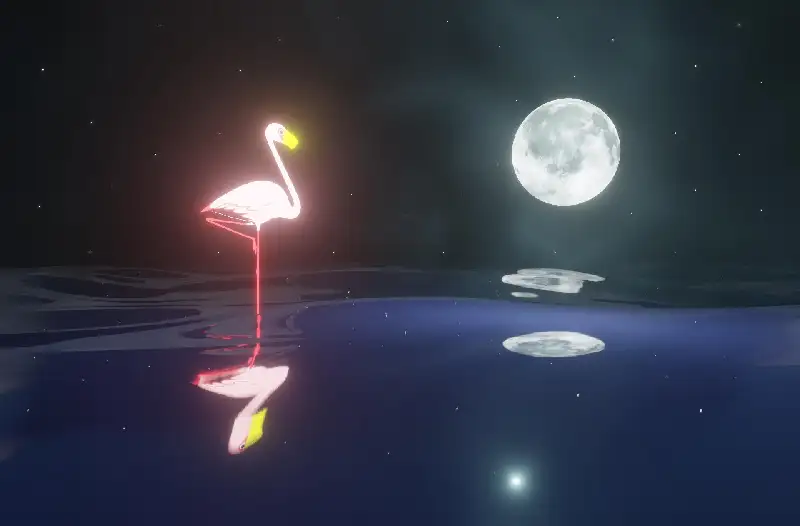
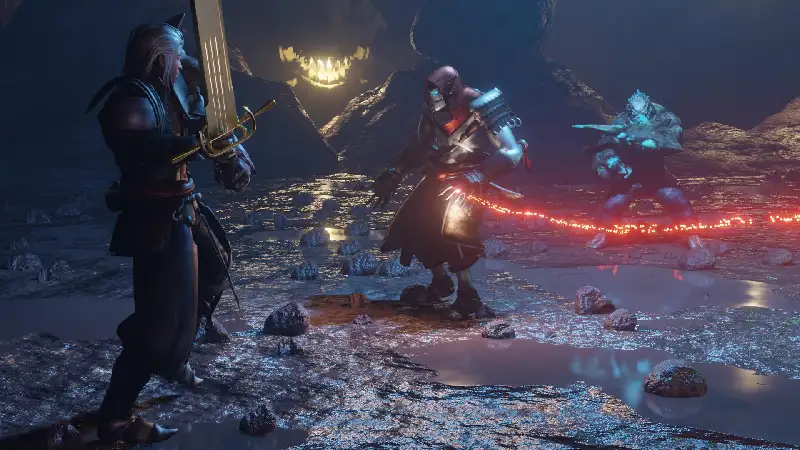
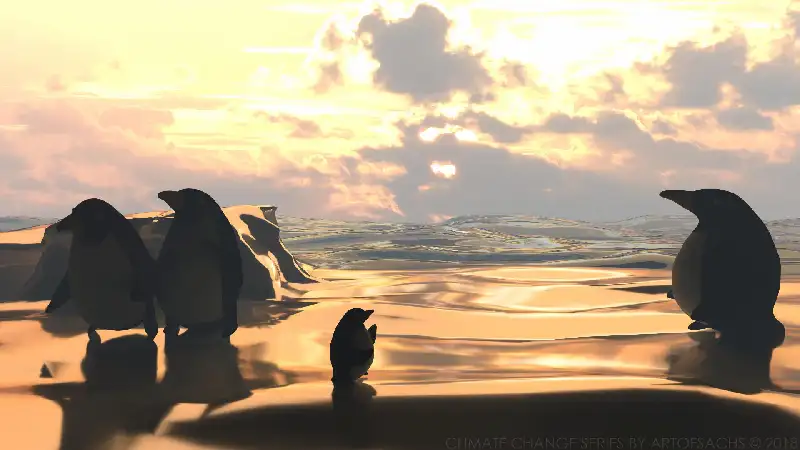
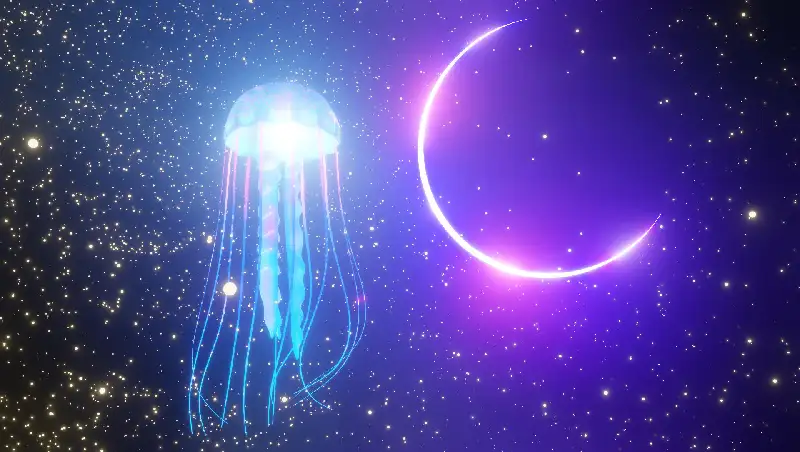
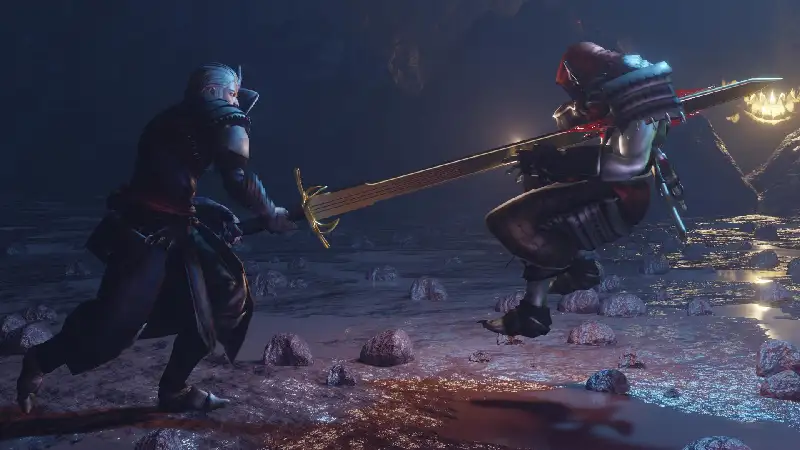
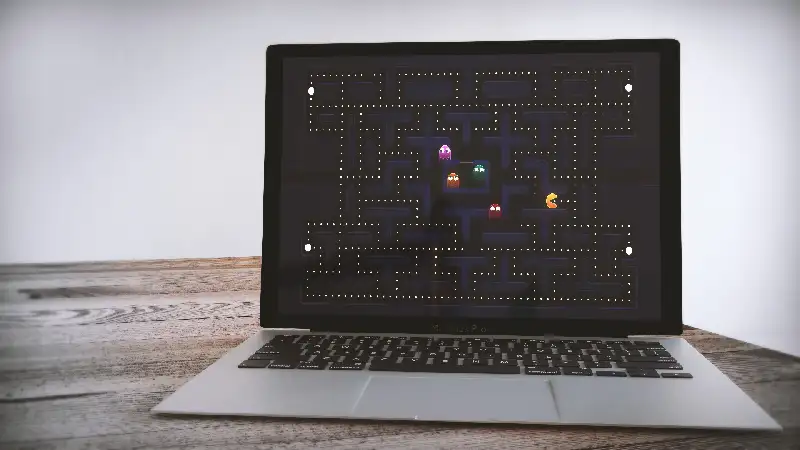
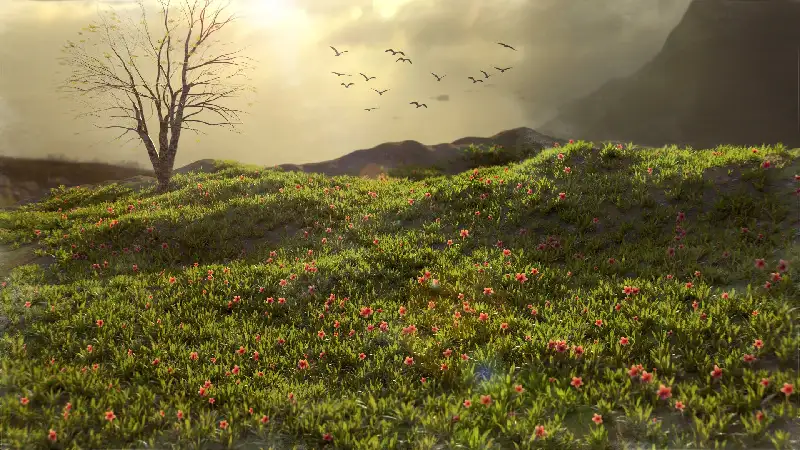
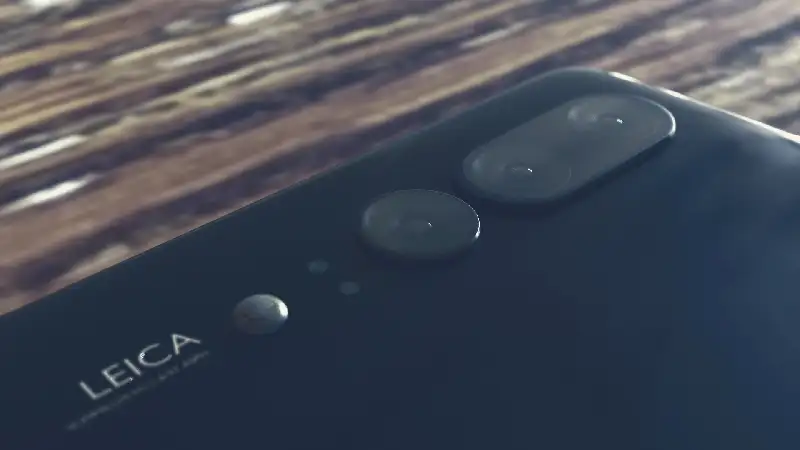
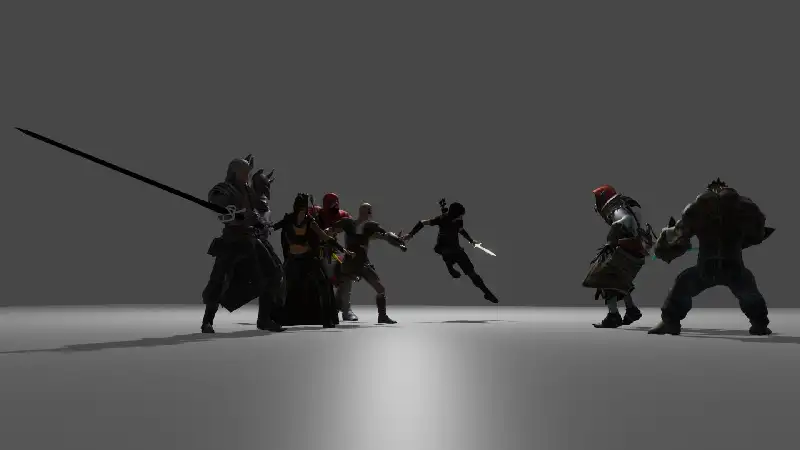
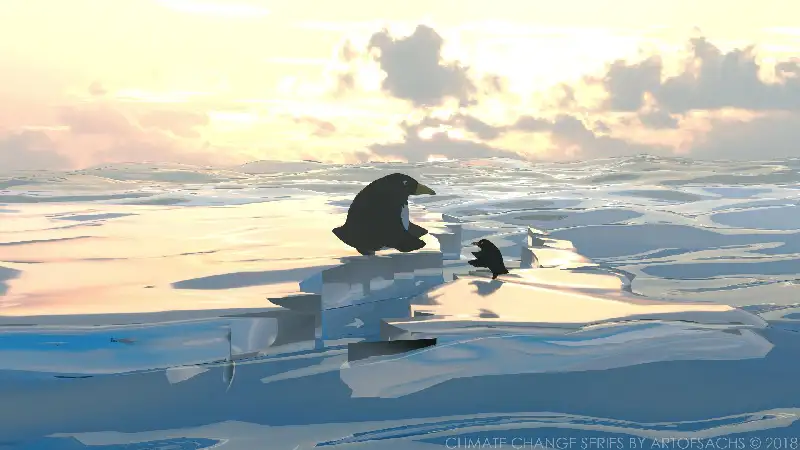
DIGITAL SPACE ART
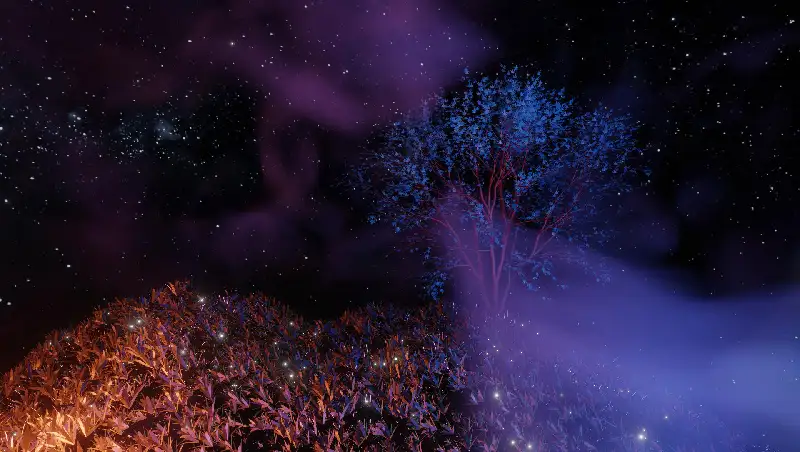
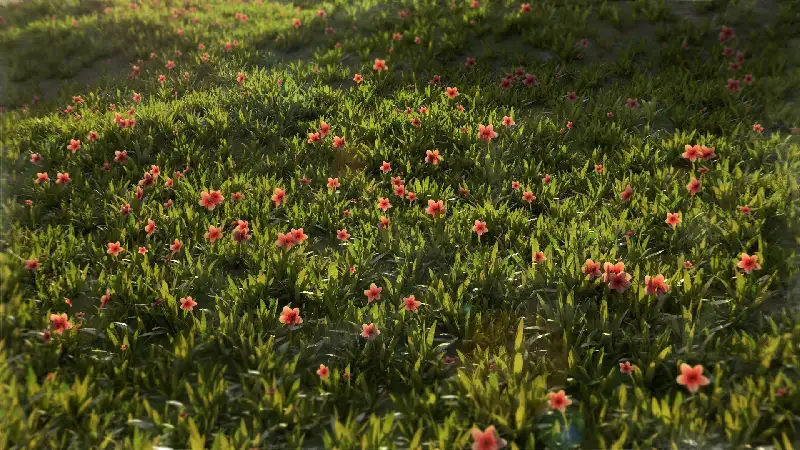
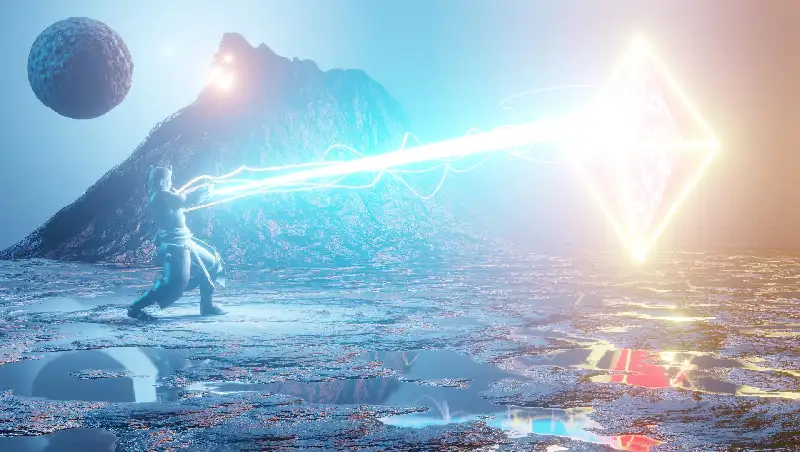
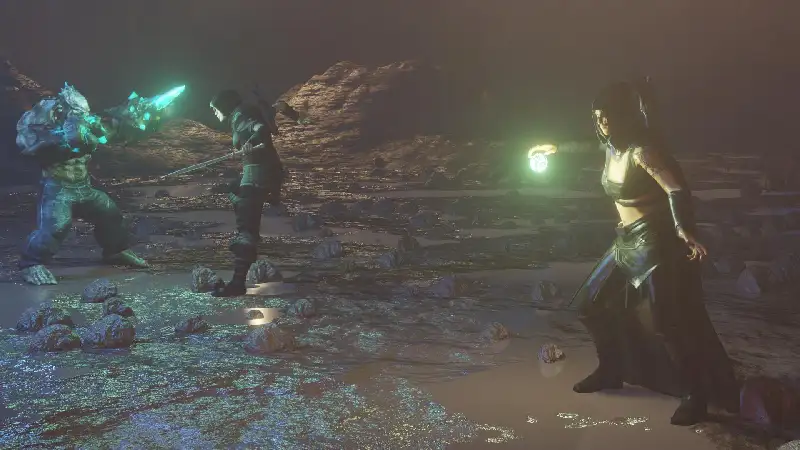
Imaginative creations inspired by the cosmos.
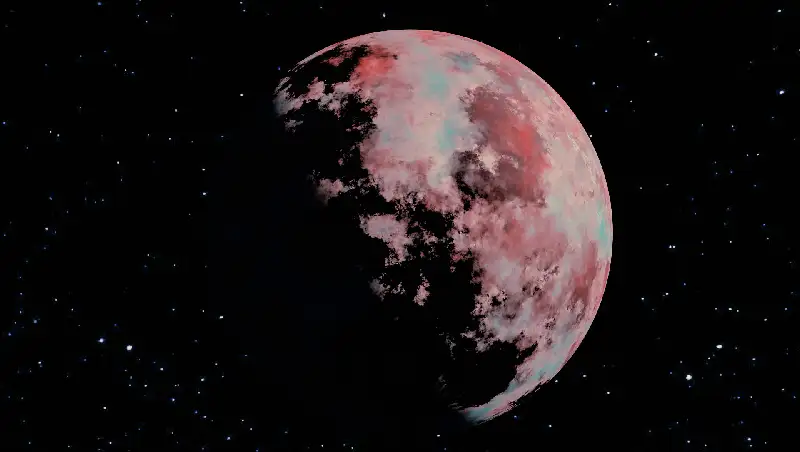
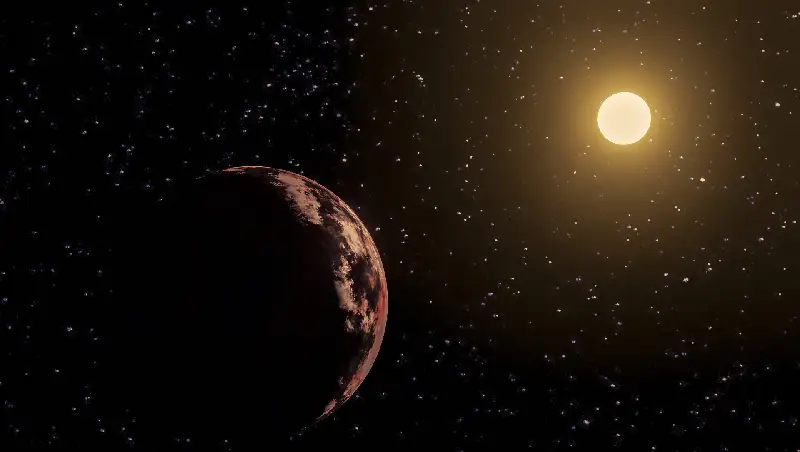
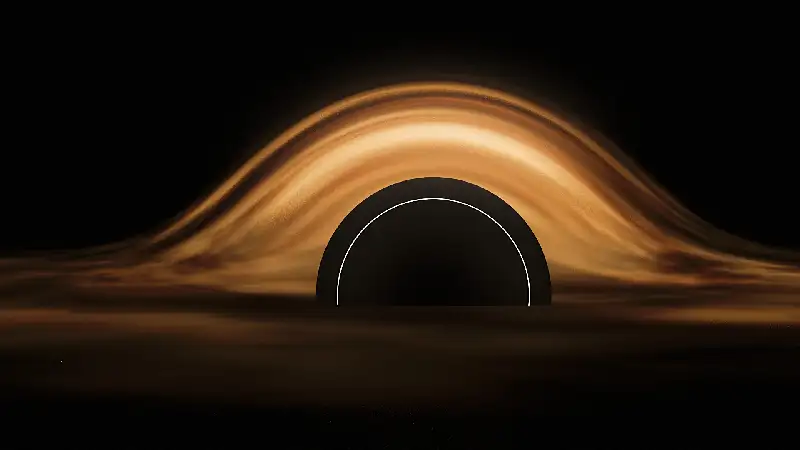
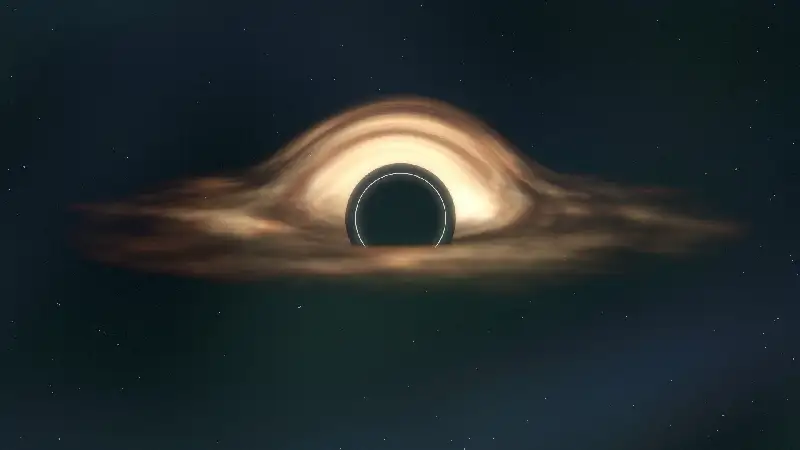
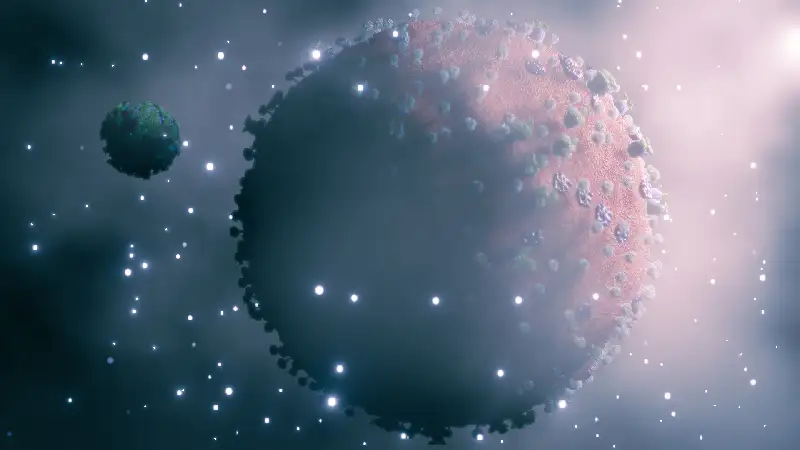
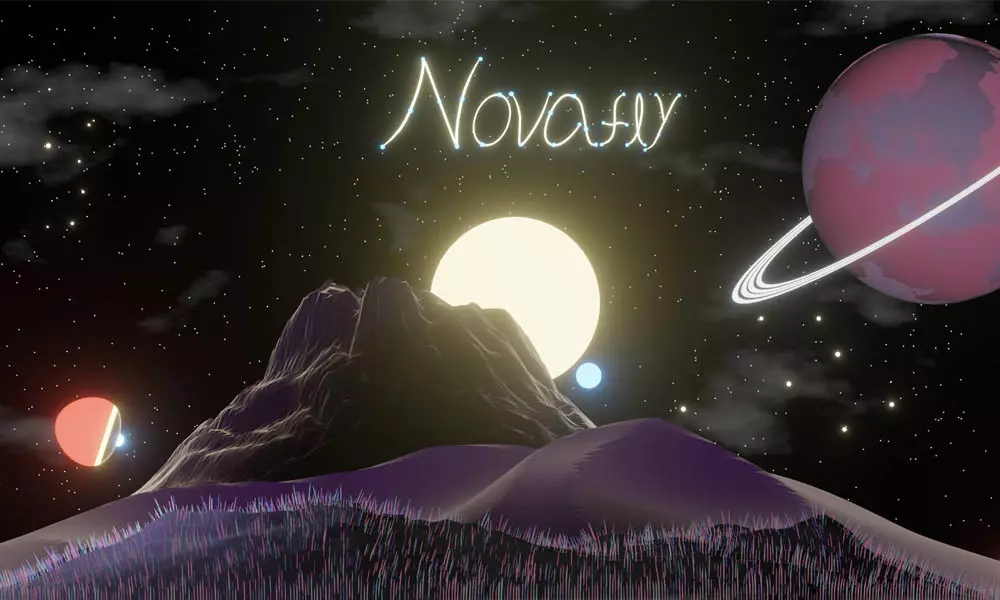
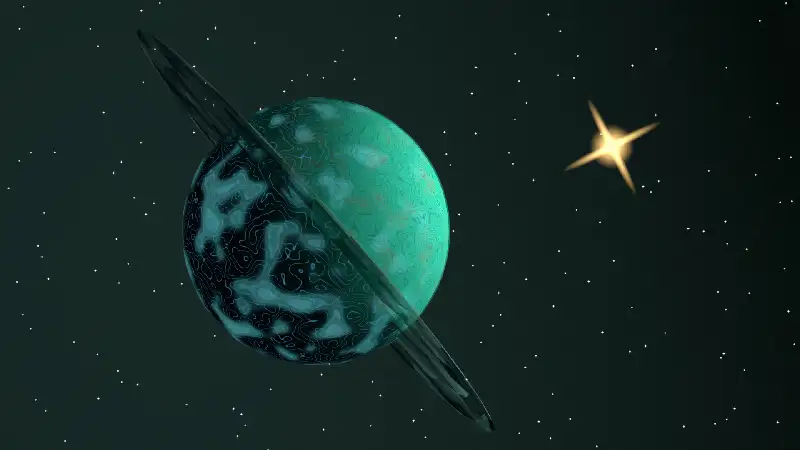
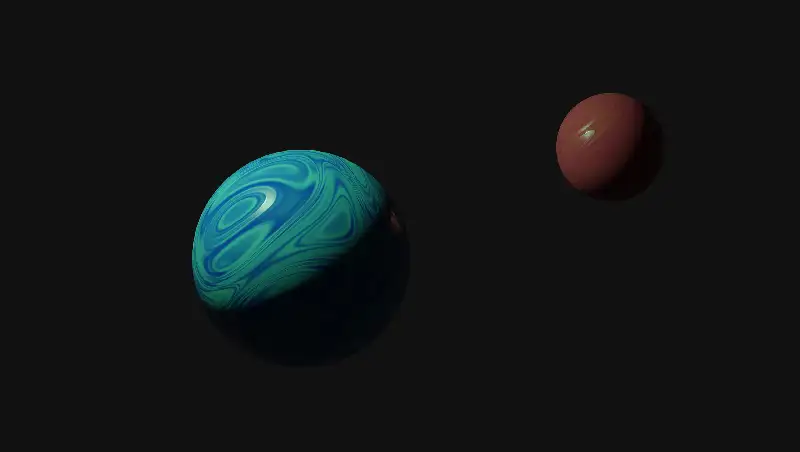
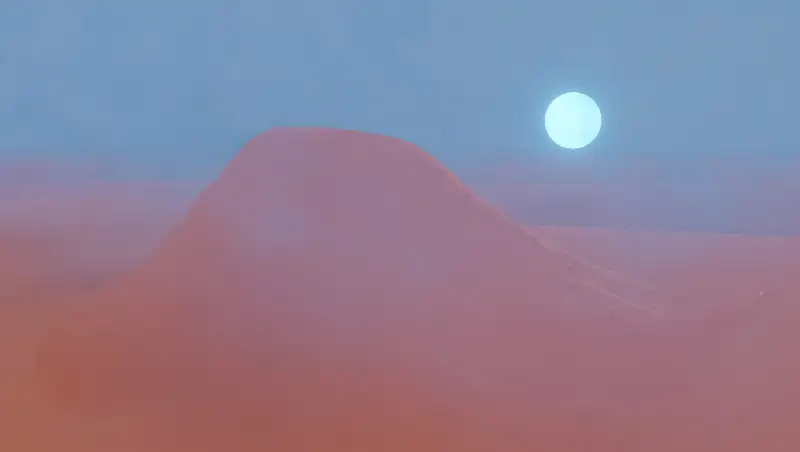
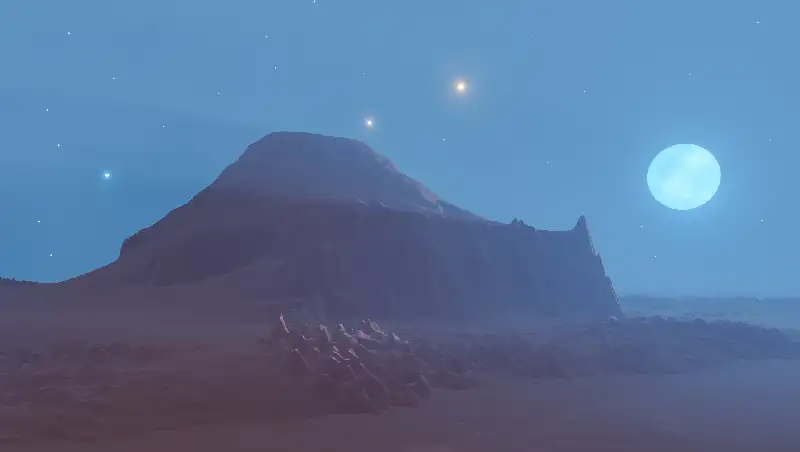
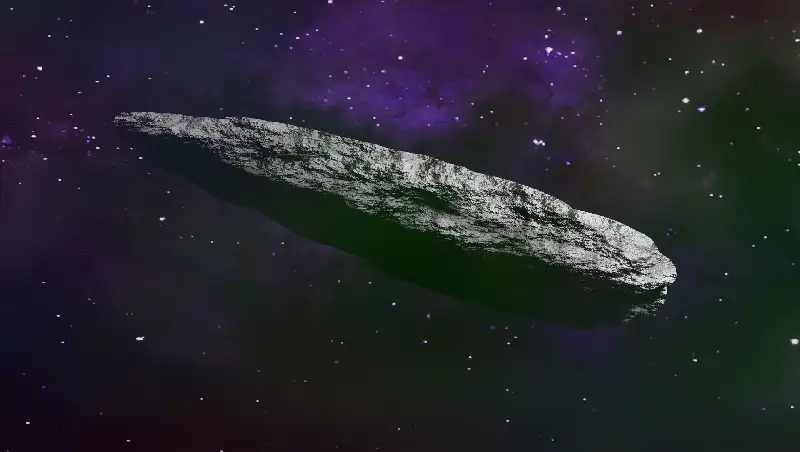
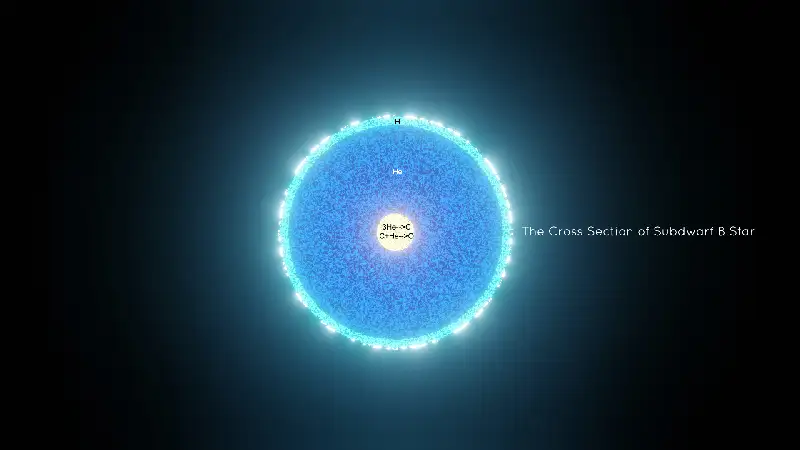
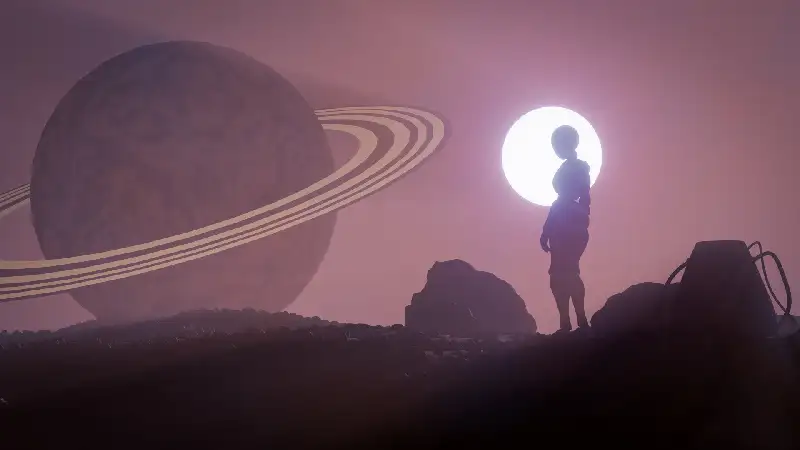
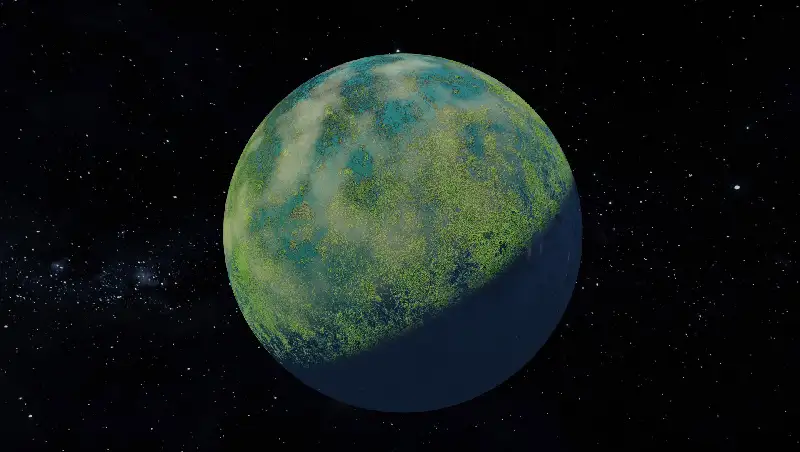
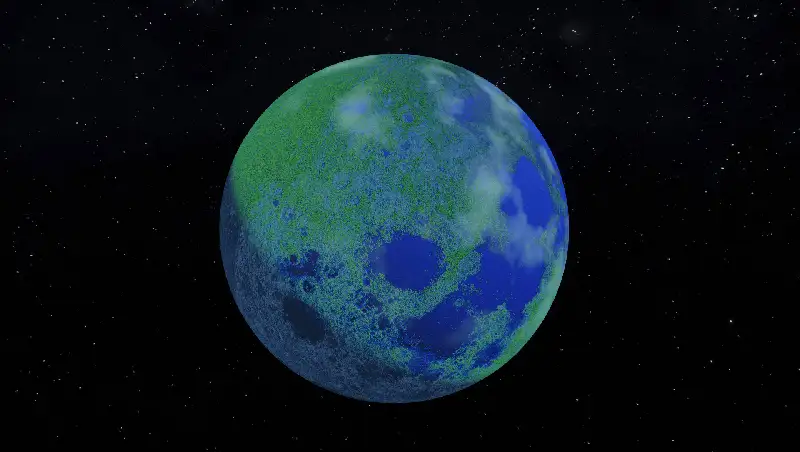
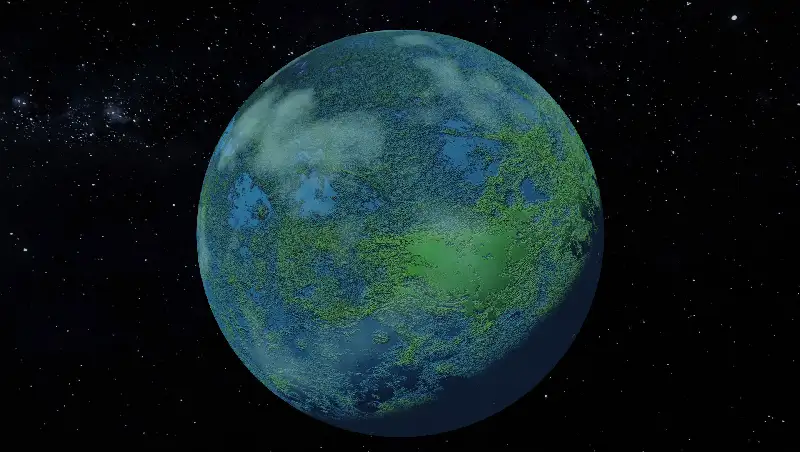
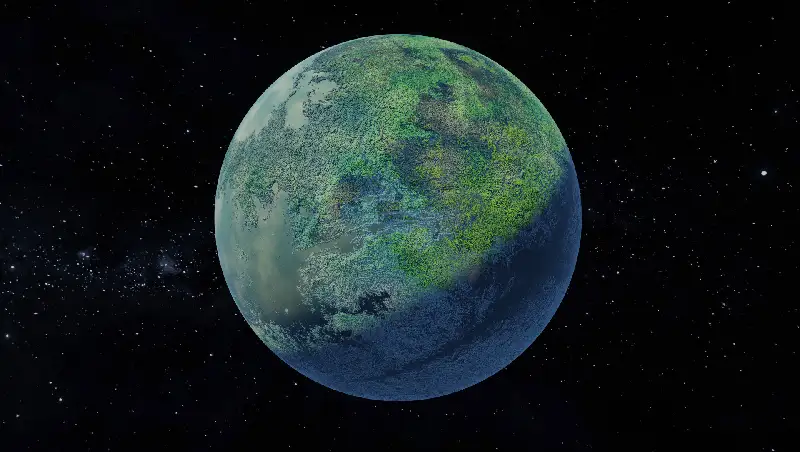
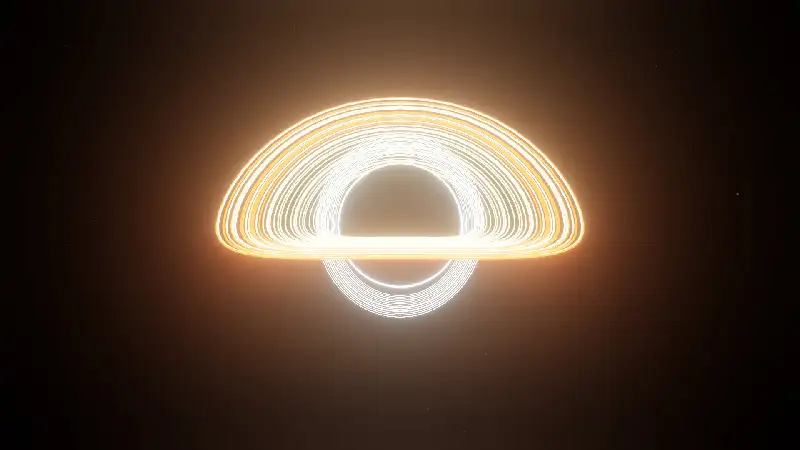
Major 3D projects and artworks


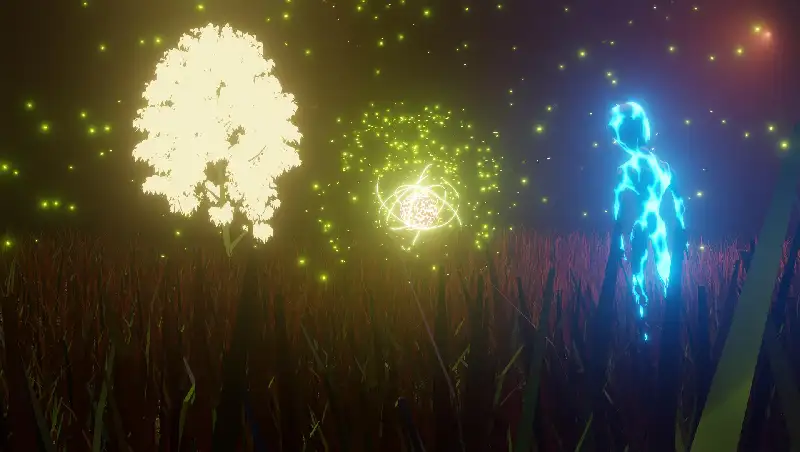
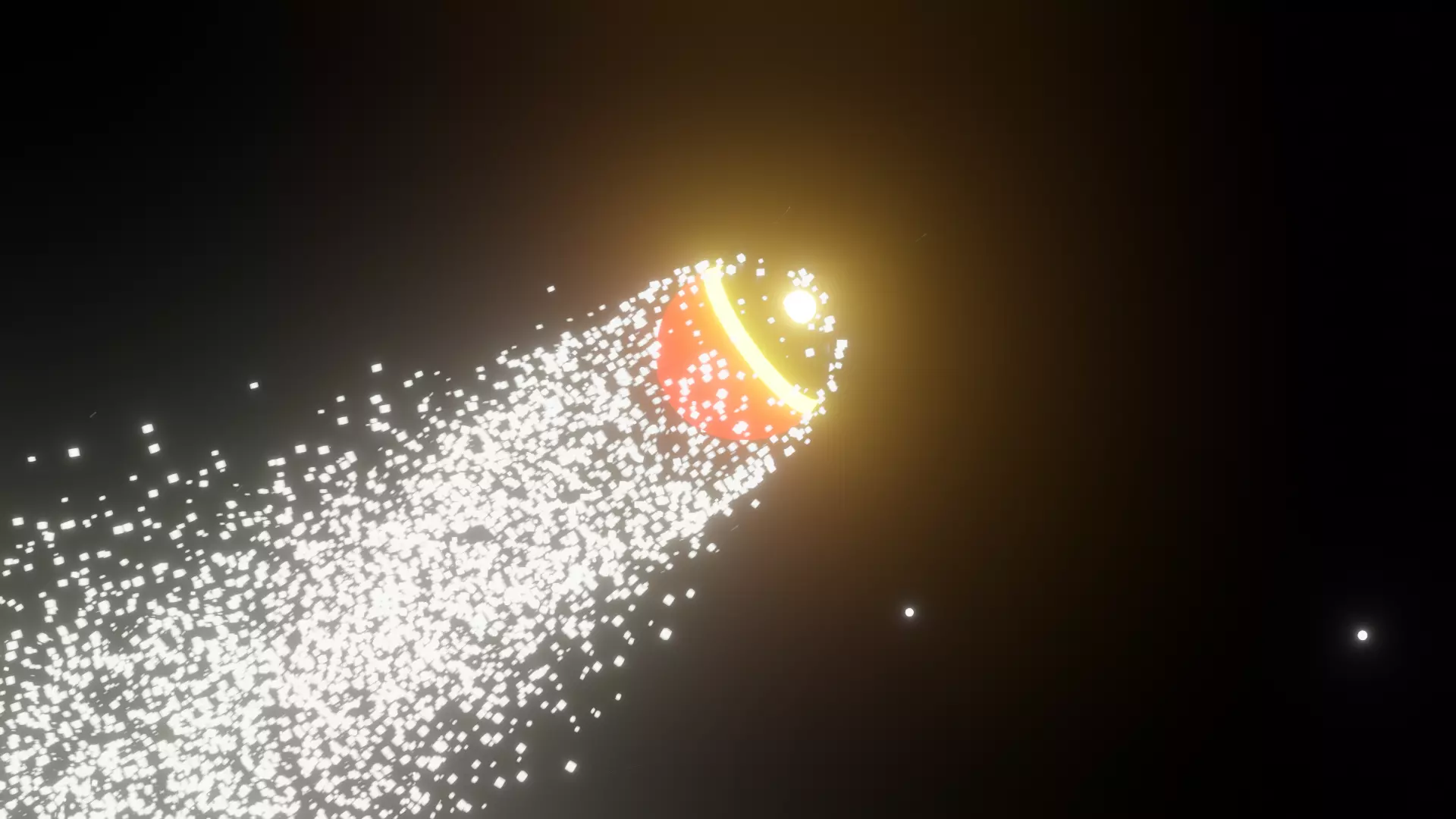
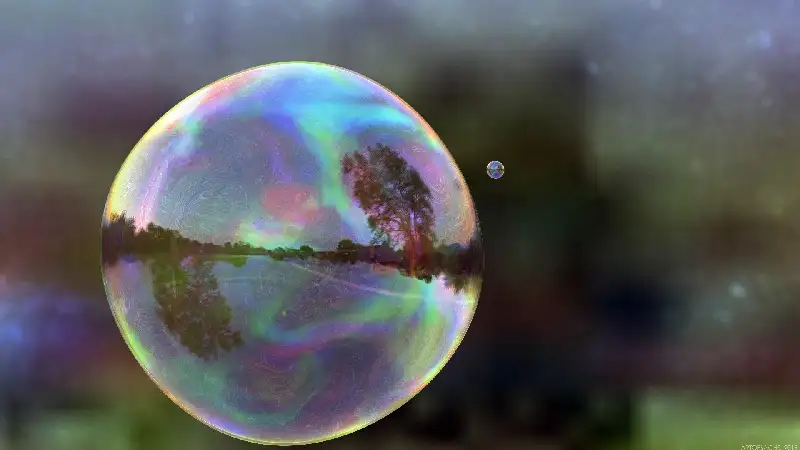

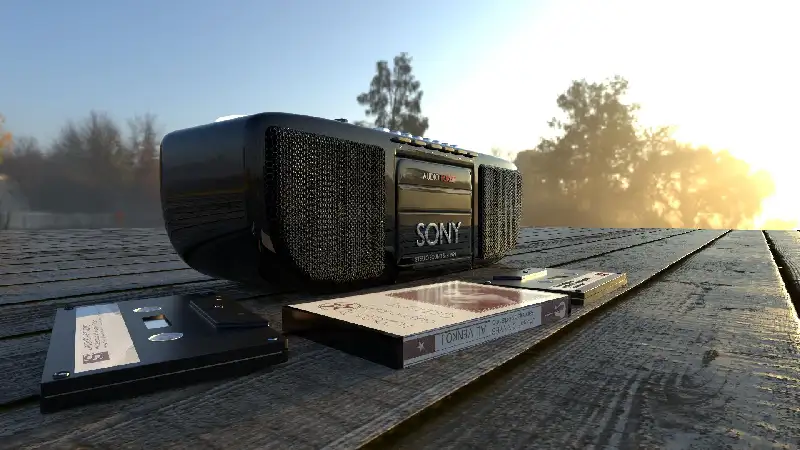
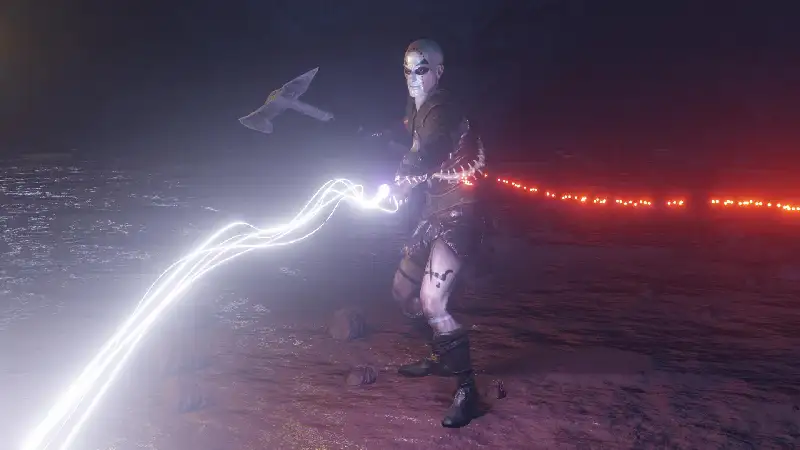

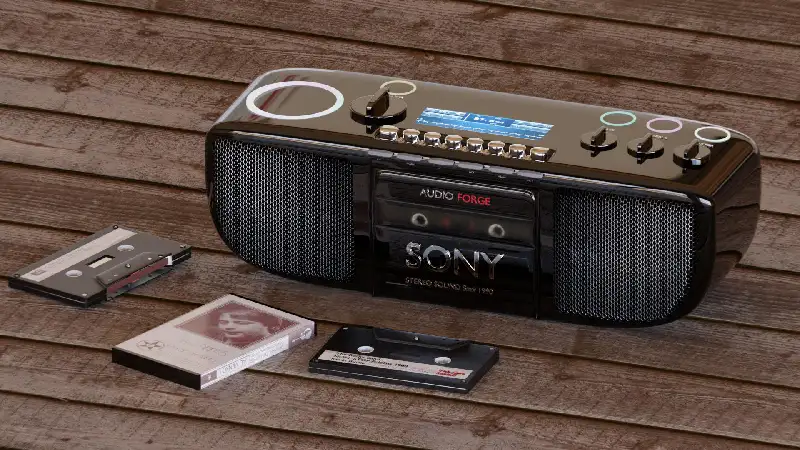
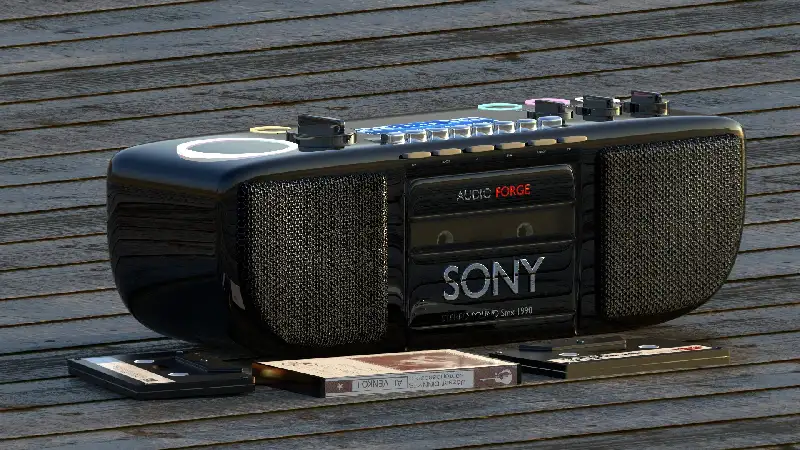


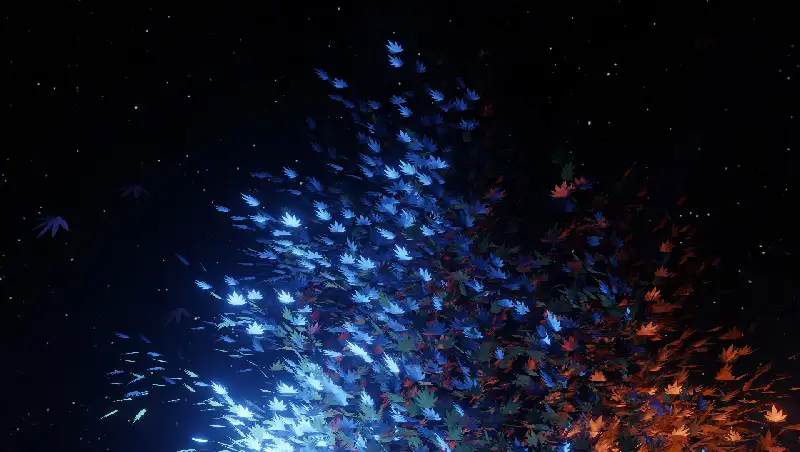


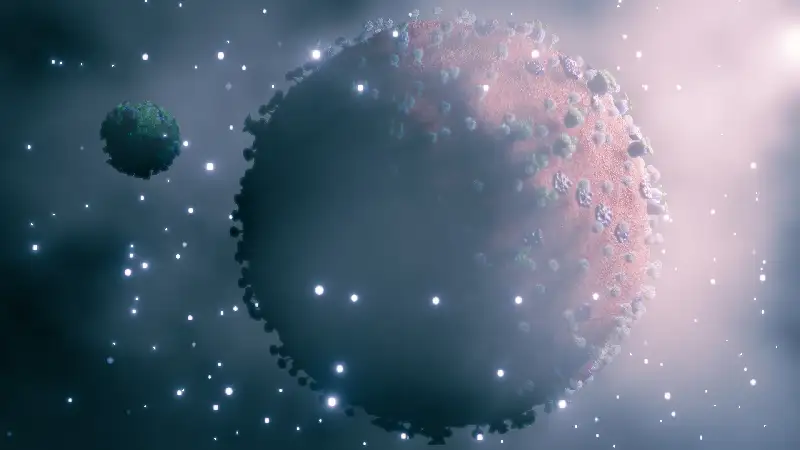
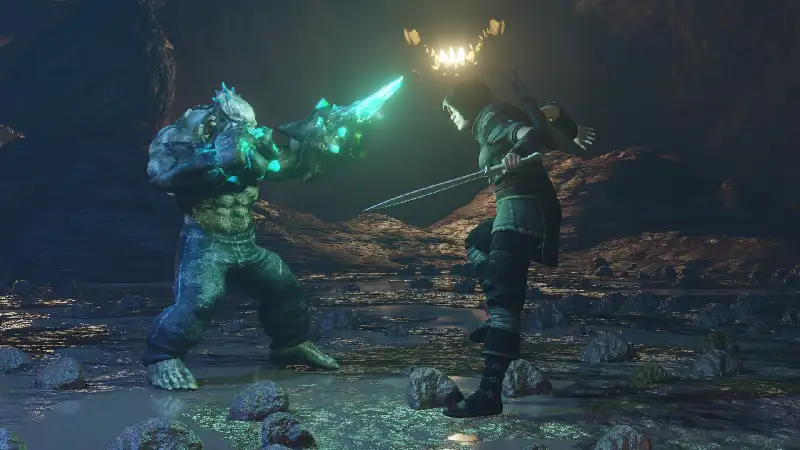


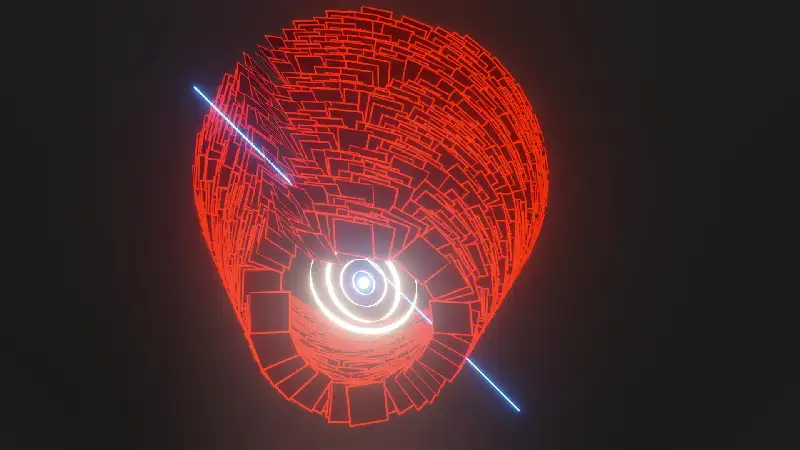
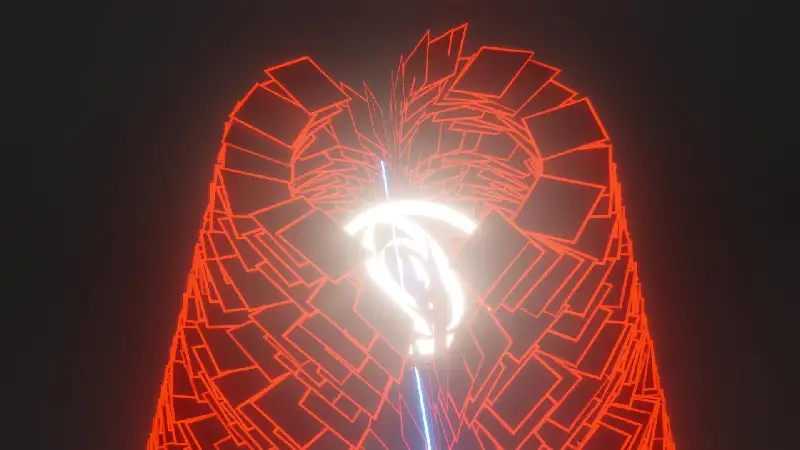
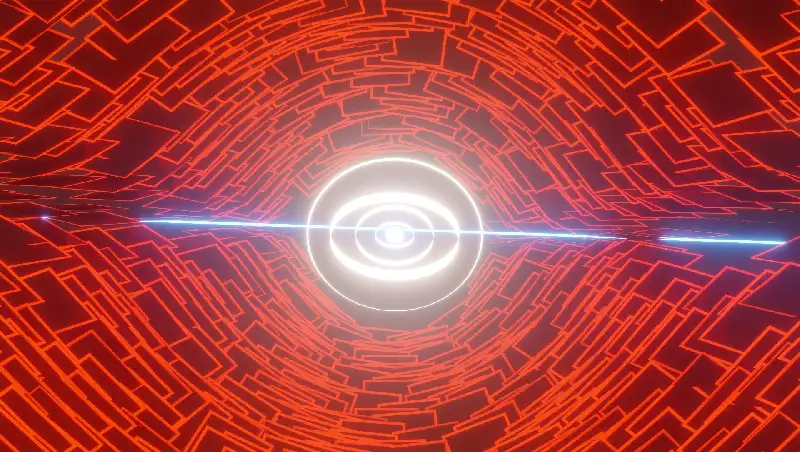
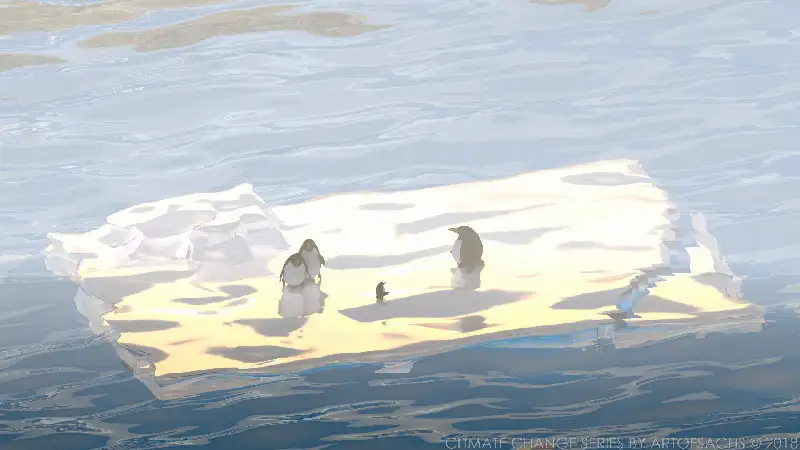

Scientific visualization projects
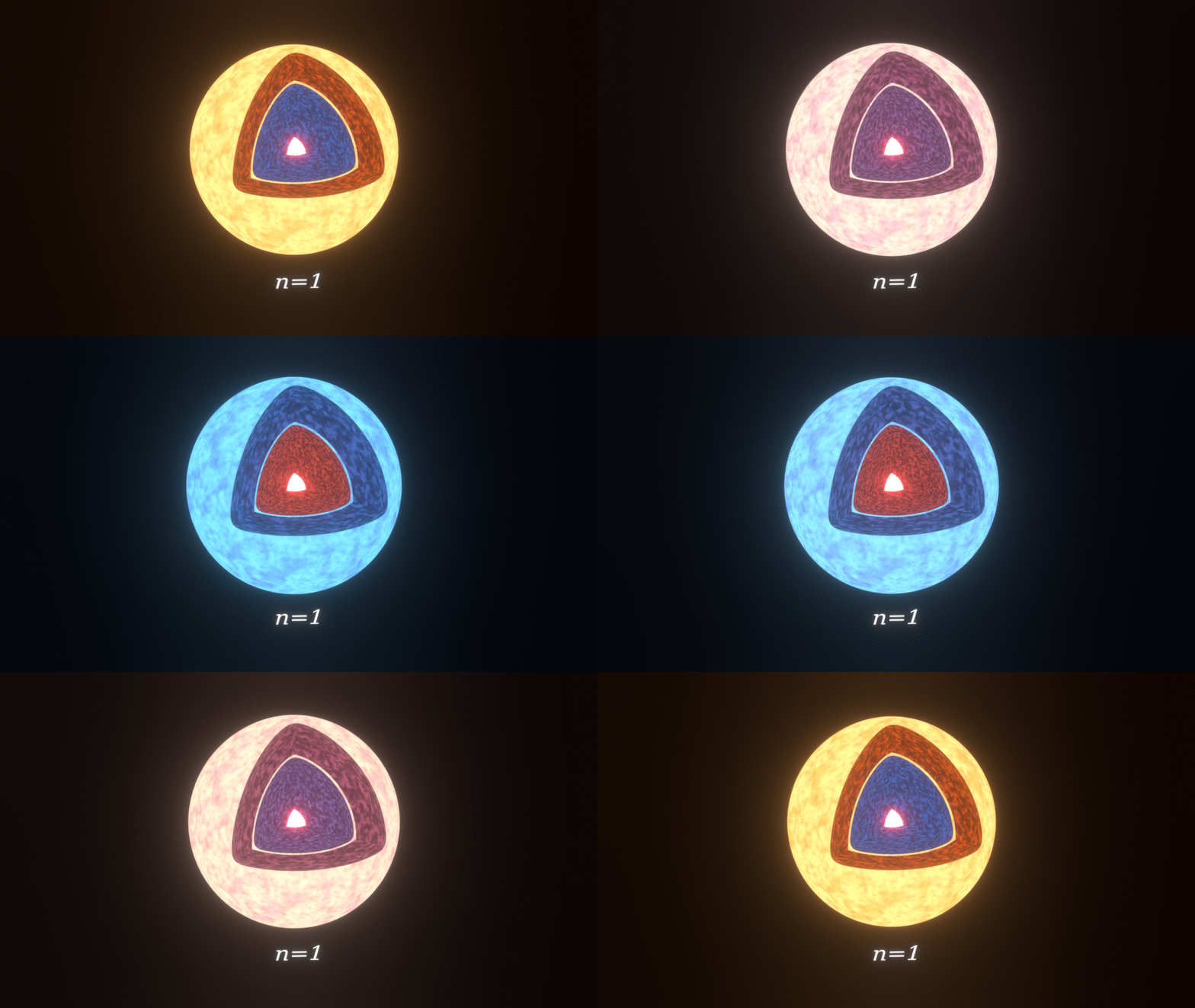
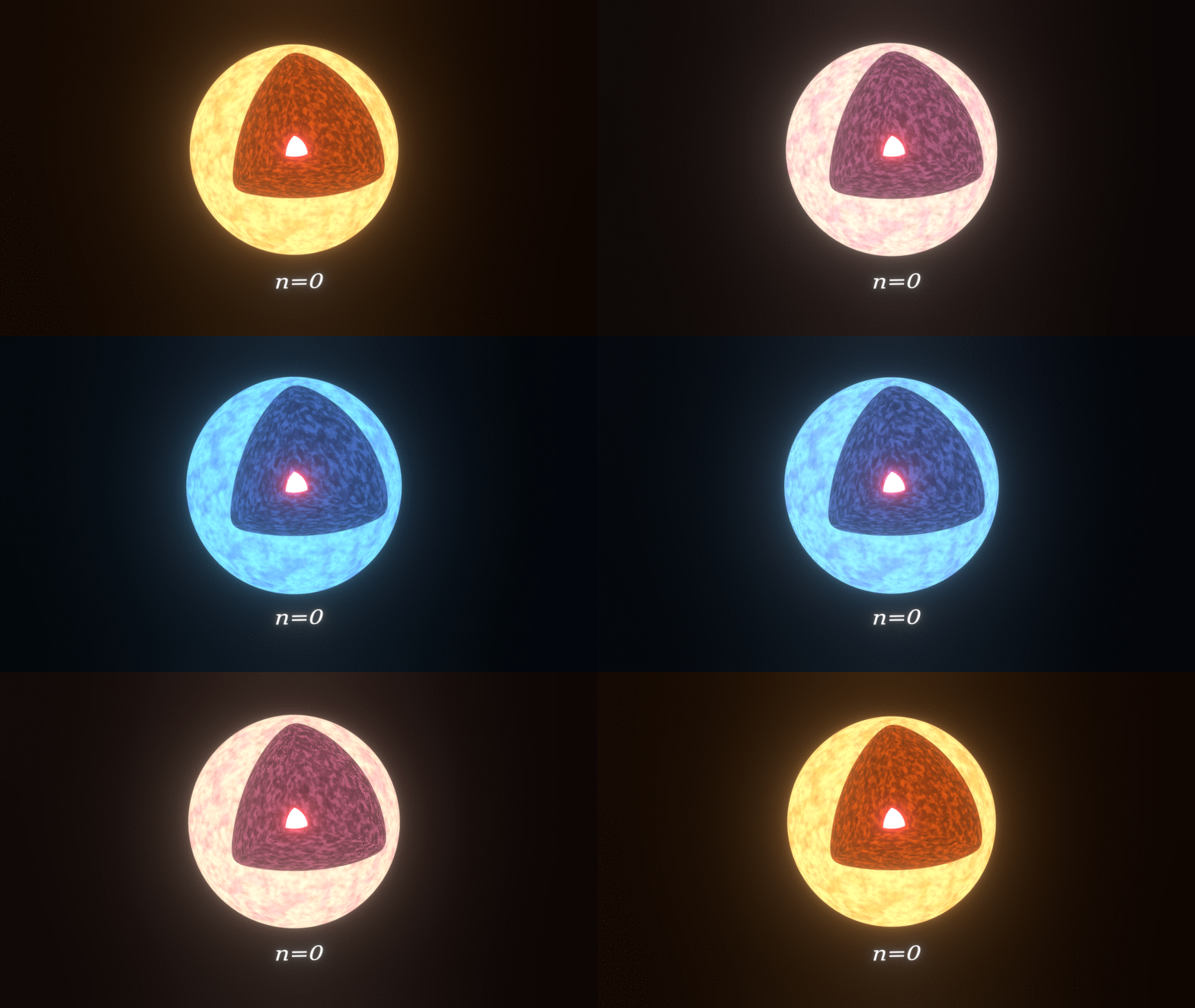
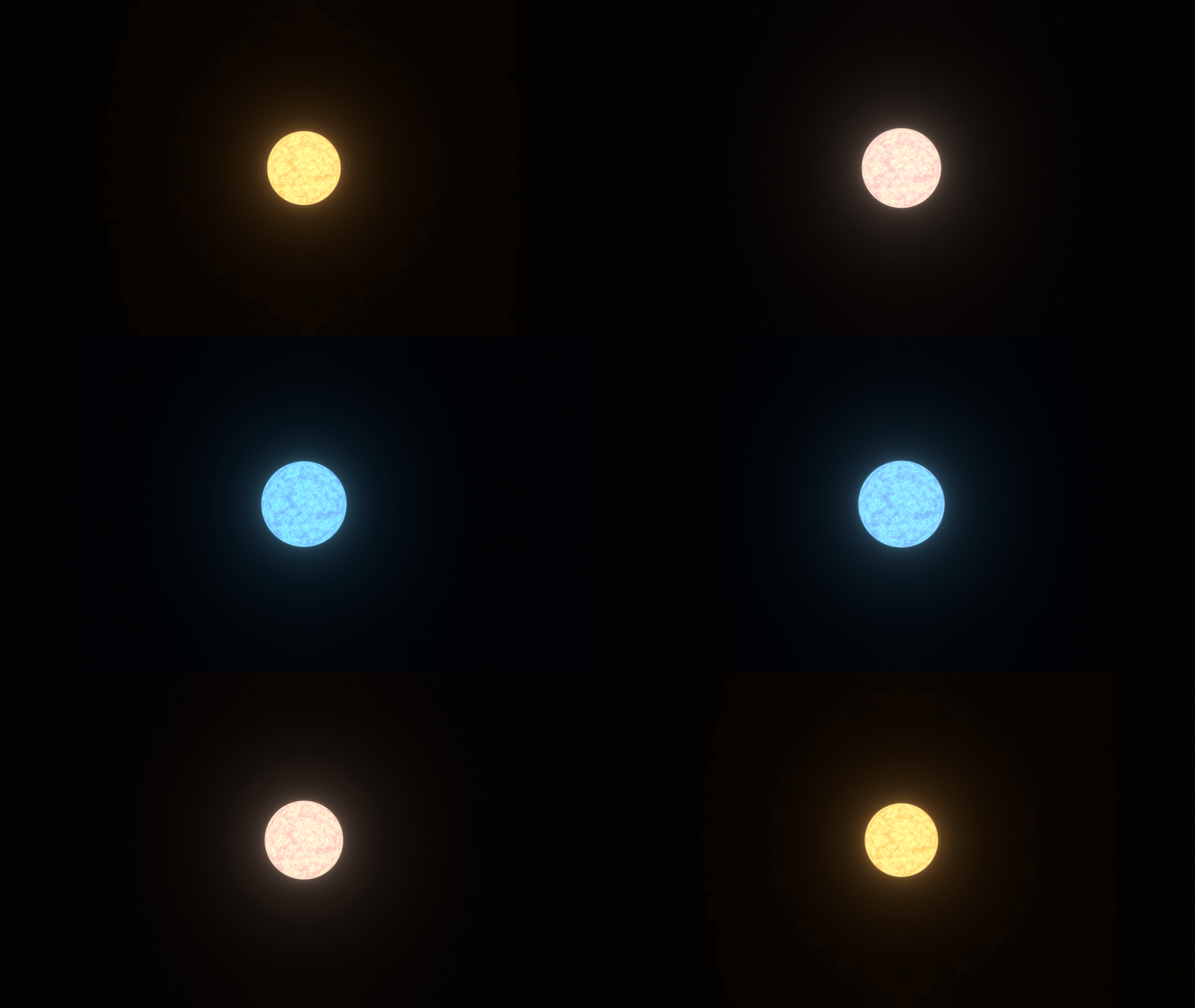
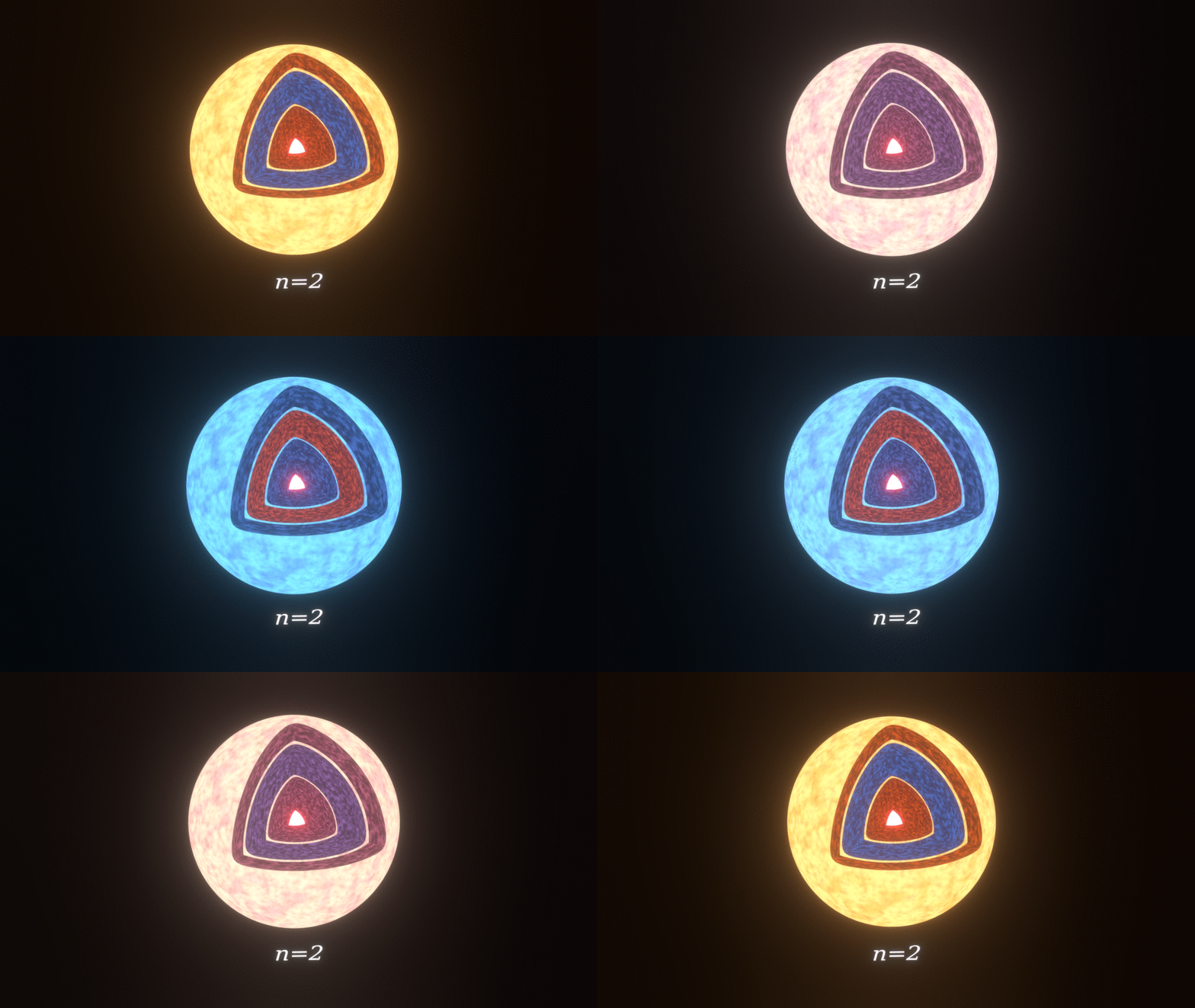
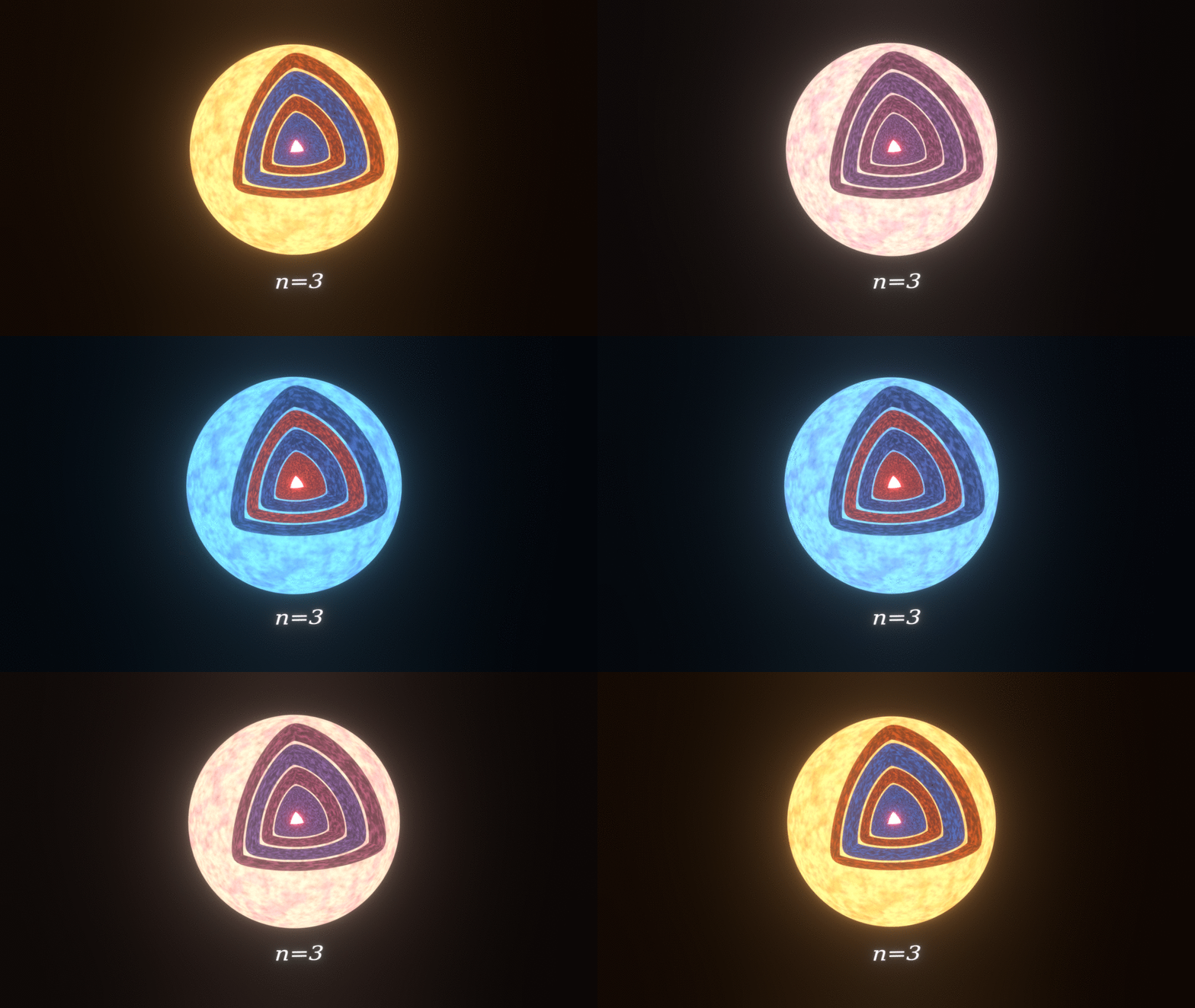
Find more at

SOUNDS OF SPACE
Introducing AnahatA: The Unheard Resonance
Abstract Preprint (May 2026)
We present Anahata, an interactive astronomical sonification system deployed as a zero-install Progressive Web App (PWA) that enables users to point a smartphone at the night sky, identify a star, and hear its interior oscillation frequencies rendered as real-time ambient music.
The underlying data pipeline extracts stellar oscillation modes from NASA TESS and
Kepler photometric light curves via an oversampled Lomb–Scargle periodogram with
iterative pre-whitening, drawing on an ESA Gaia DR3 full-sky catalogue of 50,000
naked-eye sources (G < 15 mag) and automated light-curve retrieval
through the lightkurve library with multi-strategy cadence fallback.
The primary user interface, Anahata Sky View, renders a GPS- and compass-aligned star map at 30 fps, optionally composited over the live device camera feed; selecting any star immediately triggers real-time Web Audio API synthesis across seven archetypes Bell, Klank, Ambient, Deepspace, Nova, Universe, and Blackhole whose fundamental frequencies, amplitudes, and stereo positions are driven directly by the extracted asteroseismic data. A Star Hunt mode modulates a proximity low-pass filter and gain ramp as the device approaches angular alignment with the target, creating a spatially embodied listening experience.
The companion Astral Player provides a focused synthesis environment with an inspectable per-mode frequency grid, individual voice controls, and an integrated sky-atlas panel (Aladin/HiPS). An optional FoxDot/SuperCollider live-coding pathway routes the same oscillation descriptors into seven compositional profiles Stars, Universe, Nova, Black Hole, Gravity Well, Deep Space, and Space Ambient Mix for professional performance contexts.
A browser-based Stellar Frequency Analyser exposes the full extraction pipeline as a graphical interface, enabling researchers to add new targets to the catalogue without writing code. Anahata demonstrates a practical, low-latency architecture for interactive astronomical sonification deployable at web scale on commodity mobile and desktop hardware without dedicated software installation.
Keywords: stellar oscillation · sonification · asteroseismology · TESS · Gaia DR3 · Web Audio API · Lomb–Scargle · progressive web application · algorithmic composition
BLOG
Stories, experiences, and thoughts

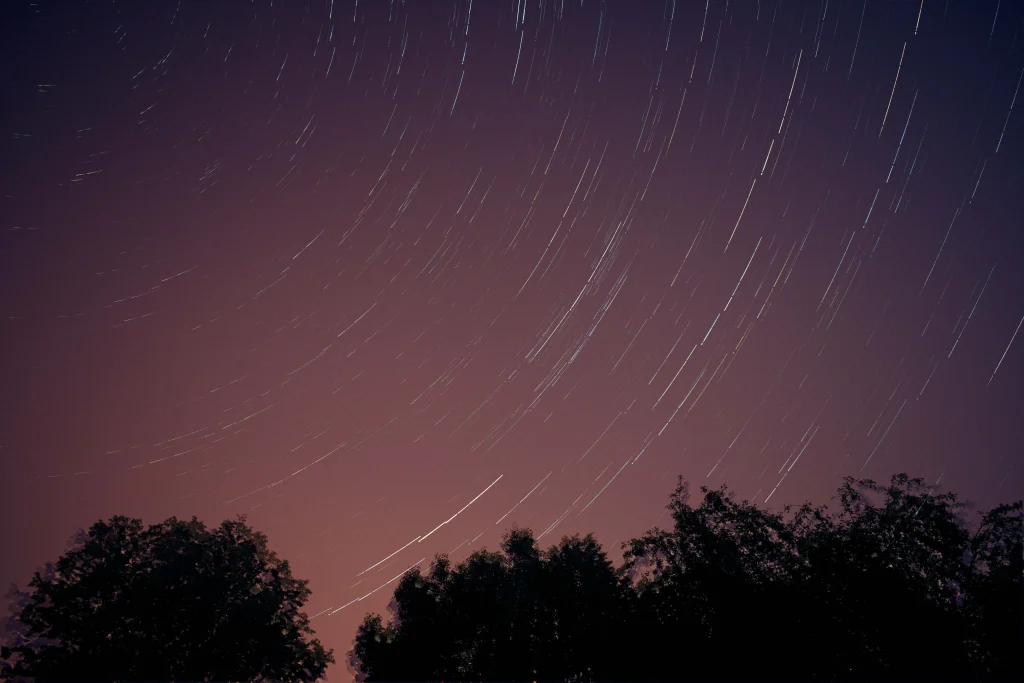
Darkest skies in Frozen Karkonosze Mountains
The experience of most beautiful night skies for me, so far is in the Karkonosze. Karkonosze mountains are located in the south western border of Poland. Poland and Czech share beautiful friendly long trails to the iconic spot Snieszka. These Polish Czech mountain parks are famous. Especially Izera dark sky park located west of Karkonosze mountains, which is one among the few places in Europe, where more than thousands of stars are seen in the night sky.
Learn More →
Darkest skies in Frozen Karkonosze Mountains
Meteor showers are one of the spectacular things in the sky. We could watch from anywhere. Curiosity and Patience is all it takes to watch one of those short fireworks. We don't need any gears like camera or binocular to watch a Meteor shower.
Learn More →
ABOUT SPACENTITY
Hello, I'm Sachu Sanjayan

Connect with Me
My Resumes
Welcome to Spacentity!
I'm the Founder of Spacentity, an Artist, Astrophysicist, Data Analyst, and Researcher driven by a profound passion for exploring the universe and expressing creativity through art.
I recently completed my PhD in Astrophysics at the Nicolaus Copernicus Astronomical Center, Warsaw, where my research focused on stellar evolution. I'm also an active member of the Ardastella Asteroseismology Research Group, analyzing space data to uncover vital insights about stars and their evolution. My academic journey began with an Integrated Master's degree in Physics from the Indian Institute of Science Education and Research (IISER), Kolkata, India.
Areas of Scientific Research
- Stellar Evolution
- Variable Stars
- Asteroseismology
- Space Mission Data Analysis
- Planetary Science
Passions and Creative Pursuits
- 3D Art & Design
- Scientific and Artistic Illustrations
- Deep Data Research
- Design Science
- Open-Source Art Tools
- Astrophotography
Where I’m From
I was born in Trivandrum, the capital city of Kerala, India, often referred to as ‘God's Own Country.’
Currently, I live in the picturesque city of Kraków, Poland, a place that continues to inspire me every day.